
By David Weissman, Esq. Nashville Personal Injury Attorney | Raybin & Weissman, P.C. | Last reviewed: September 2026
A car accident can create several different problems at once: medical treatment, vehicle repairs, missed work, insurance questions, and uncertainty about who was responsible. Not every collision requires a lawyer, but some claims become difficult enough that legal guidance can materially affect how evidence is preserved, deadlines are handled, and losses are evaluated.
Tennessee law also differs from many states in ways that matter after a crash. Personal injury actions generally have a one-year filing period, comparative fault can reduce or eliminate recovery, and certain crashes must be reported to the Tennessee Department of Safety and Homeland Security within 20 days.
This guide explains when legal representation may be useful after a Nashville car accident and what injured people should understand before accepting a settlement, giving a recorded statement, or allowing evidence to disappear.
What Should You Do Immediately After a Nashville Car Accident?
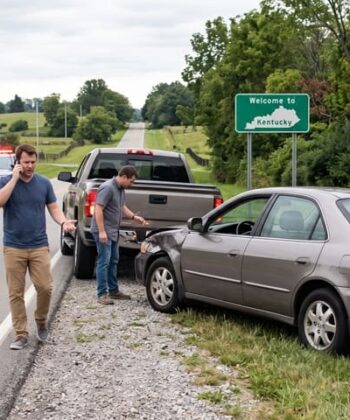
The priorities are safety and medical care. If anyone is injured or the crash creates an immediate danger, call emergency services. When it is safe to do so, exchange identifying and insurance information and preserve basic evidence from the scene.
The Tennessee Department of Safety recommends collecting the other driver’s name, phone number, address, driver’s license information, vehicle information, insurance details, and witness contact information. See Tennessee Department of Safety – crash safety guidance.
Useful evidence can include:
- photographs and video of vehicle positions, damage, traffic controls, road conditions, skid marks, debris, and visible injuries;
- names and contact information for witnesses;
- the investigating officer’s name and agency;
- insurance information for all involved vehicles;
- dashcam, surveillance, or phone video when available;
- medical records, discharge instructions, and follow-up recommendations; and
- receipts, wage records, towing bills, rental-car costs, and other documents showing financial losses.
Tennessee’s Personal Injury Filing Deadline Is Short
Tennessee has one of the shorter general personal injury filing periods in the United States. Under Tennessee Code § 28-3-104, an action for injury to the person generally must be filed within one year after the cause of action accrues.
The statute contains a limited two-year provision when criminal charges are brought against a person alleged to have caused or contributed to the injury and the statutory conditions are satisfied. That exception is strictly construed and should not be treated as the normal deadline.
Because surveillance video, witness memories, vehicle data, and physical evidence may disappear long before a lawsuit deadline arrives, evidence preservation usually should begin much earlier than the final filing date.
Some Tennessee Crashes Require a Separate Owner/Operator Report
A police crash report and the driver’s own reporting obligations are not always the same thing. Tennessee currently requires an Owner Operator Report when a crash causes death or injury, more than $1,500 in property damage, or more than $400 in damage to state or local government property.
The report generally must be submitted to the Tennessee Department of Safety and Homeland Security within 20 days, regardless of fault and in addition to a report prepared by an investigating officer.
How Tennessee Comparative Fault Can Affect a Claim
Tennessee follows a modified comparative-fault system. Under the Tennessee Supreme Court’s decision in McIntyre v. Balentine, a plaintiff may recover when the plaintiff’s fault is less than the combined fault of the other responsible parties. Any recovery is reduced according to the plaintiff’s percentage of fault. Tennessee Supreme Court discussion of modified comparative fault
For example, if a claimant’s legally recoverable damages were $100,000 and the claimant was found 20% at fault, the award would ordinarily be reduced to account for that share. If the claimant’s fault reaches the point at which Tennessee law bars recovery, the result can change entirely.
This is why statements about speed, distraction, seat-belt use, lane position, or who had the right of way can matter. Fault should be evaluated from the evidence rather than from assumptions made at the scene.
When Legal Representation May Be Especially Useful
Not every minor collision requires private counsel. Legal representation may be more useful when the injuries, liability, insurance, or future losses make the claim difficult to evaluate without investigation or expert input.
Serious or Long-Term Injuries
A claim becomes more complicated when treatment is ongoing, surgery may be needed, the person cannot return to the same work, or future medical care is uncertain. Early settlement can be risky when the long-term medical and financial effects are not yet reasonably understood.
Fault Is Disputed
When the drivers give different accounts, multiple vehicles are involved, or an insurer assigns fault to the injured person, the claim may require witness interviews, photographs, video, vehicle data, reconstruction evidence, or other investigation.
The At-Fault Driver Has Limited or No Insurance
Tennessee’s financial-responsibility law currently lists minimum liability limits of $25,000 for one person’s injury or death, $50,000 for total injuries or deaths in one crash, and $25,000 for property damage.
Serious injuries can exceed those limits quickly. A claimant may therefore need to identify other available liability coverage and review their own uninsured/underinsured motorist coverage. Tennessee’s insurance guidance explains that UM/UIM coverage can apply when an at-fault driver has no liability insurance or insufficient coverage. Tennessee Department of Commerce and Insurance – uninsured/underinsured motorist coverage
A Commercial, Rideshare, Government, or Employer Vehicle Is Involved
Claims involving trucks, delivery vehicles, rideshare drivers, government vehicles, or employees driving for work can involve additional insurance policies, employers, contractors, statutory notice requirements, or other defendants. The correct claim structure may not be obvious from the accident scene.
A Fatality or Catastrophic Injury Occurred
Wrongful-death and catastrophic-injury claims can involve future earnings, long-term medical needs, life-care evidence, liens, estate issues, and several potential beneficiaries or claimants. These cases usually require a more detailed damages analysis than an ordinary property-damage claim.
Why Evidence Preservation Often Matters More Than a Quick Insurance Statement
Insurance companies routinely investigate claims, but an insurer evaluating its own financial exposure is not acting as the injured person’s legal adviser. An adjuster may request photographs, medical authorizations, recorded statements, prior medical information, or settlement documents.
The issue is not that every request is improper. The important question is what information is being requested, why it is relevant, and whether providing it could create unnecessary disputes about fault, causation, or the scope of the injury.
Evidence preservation may include requesting surveillance footage, retaining damaged products or vehicle components, obtaining crash reports, preserving electronic vehicle data, and documenting medical treatment and work restrictions.
For a broader post-crash evidence checklist, see Find Attorneys’ roadmap for safety, evidence, medical care, and insurance claims.
Be Careful Before Signing a Final Settlement or Release
A settlement can resolve a claim efficiently, but a signed release generally ends the claims covered by that agreement. Before accepting a final settlement, an injured person should understand the medical prognosis, outstanding bills or liens, lost income, possible future treatment, insurance limits, and exactly which parties and claims are being released.
A settlement amount that looks reasonable during the first few weeks after a crash may look different if later testing reveals surgery, permanent impairment, or an inability to return to the same occupation.
A Neutral Resource for Nashville Car Accident Research
People comparing how local firms explain Tennessee accident claims may also encounter Raybin & Weissman’s resource on car accident Nashville. A private law-firm page can offer practical context about the claims process, but Tennessee statutes, court decisions, insurance documents, and the facts of the individual crash should control the legal analysis.
What Can a Car Accident Lawyer Actually Do?
The value of representation depends on the case. In a serious or disputed claim, counsel may perform work that goes beyond forwarding medical bills to an insurer.
- identify the applicable filing deadline and procedural requirements;
- investigate fault and preserve evidence before it disappears;
- identify all potentially responsible parties and applicable insurance policies;
- review medical records and work restrictions;
- evaluate past and future economic losses;
- address medical liens or reimbursement claims when applicable;
- communicate and negotiate with insurers;
- retain appropriate experts when technical issues are disputed; and
- file and litigate a lawsuit when settlement is not appropriate.
Those tasks do not guarantee a particular settlement or verdict. The usefulness of representation depends on the strength of the evidence, available insurance or assets, causation, damages, comparative fault, and the procedural posture of the claim.
How to Evaluate a Nashville Car Accident Attorney
Useful questions during an initial consultation include:
- How often do you handle Tennessee car-accident injury claims?
- Who will personally manage my case?
- What evidence should be preserved immediately?
- Which filing deadline do you believe applies?
- Could comparative fault affect the claim?
- What insurance coverage should be investigated?
- How are attorney fees and case expenses handled?
- What information is still missing before the claim can be valued?
- Who would handle depositions and trial if litigation becomes necessary?
For more detail on insurer negotiations, Find Attorneys also discusses common insurance-company claim tactics and how lawyers respond.
Frequently Asked Questions
How long do I have to file a car accident injury lawsuit in Tennessee?
Tennessee Code § 28-3-104 generally provides a one-year limitations period for actions involving personal injury. A narrow two-year provision can apply when specified criminal-prosecution conditions are met. Case-specific exceptions should be evaluated before relying on any deadline.
Can I recover if I was partly at fault for a Nashville crash?
Potentially. Tennessee uses modified comparative fault. A plaintiff can generally recover when the plaintiff’s fault is less than the combined fault of the other responsible parties, with damages reduced according to the plaintiff’s share of fault.
Do I have to file an Owner Operator Report after a Tennessee crash?
Tennessee currently requires the report when a crash causes injury or death, more than $1,500 in property damage, or more than $400 in damage to state or local government property. It generally must be filed within 20 days.
What if the at-fault driver has only minimum insurance?
Tennessee’s minimum liability limits may be insufficient for a serious injury. Other liability policies and the injured person’s uninsured/underinsured motorist coverage may need to be reviewed.
Should I give the other driver’s insurer a recorded statement?
There is no universal answer. The insurer may legitimately investigate the claim, but a recorded statement can affect disputes about fault and injury. Understand who is requesting the statement and why before agreeing.
Should I accept an early settlement offer?
Only after the scope of the release and the reasonably foreseeable losses are understood. Ongoing medical care, surgery, lost earning capacity, liens, and future treatment can materially change the value of a claim.
Does every Nashville car accident require a lawyer?
No. Minor property-damage claims may be handled without private counsel. Legal guidance may become more useful when injuries are serious, fault is disputed, insurance is inadequate, multiple defendants are involved, or future losses are difficult to calculate.
Authorities & Sources
- Tennessee Code § 28-3-104 – Personal injury limitations period
- Tennessee Supreme Court – Modified comparative fault discussion
- Tennessee Department of Safety – Crash safety guidance
- Tennessee Department of Safety – Owner Operator Report
- Tennessee Department of Revenue – Financial Responsibility Law
- Tennessee Department of Commerce and Insurance – Auto insurance guidance
Disclaimer
This article provides general legal information and is not legal advice. Tennessee filing deadlines, comparative fault, insurance coverage, crash-reporting duties, damages, liens, and settlement issues depend on the specific facts and applicable law. Statutes, insurance requirements, and court decisions can change. Reading this article or following a link does not create an attorney-client relationship. Anyone with a potential claim should verify current requirements and obtain advice appropriate to the circumstances.