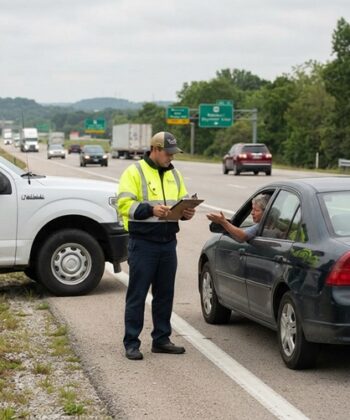


By Caroline Barker, Esq. South Carolina Personal Injury Attorney | Kinon Law | Last reviewed: September 2026
A crash in Myrtle Beach can become complicated quickly. The city draws heavy seasonal traffic, visitors who may be driving rental cars, rideshare vehicles, pedestrians, and drivers who are unfamiliar with local roads. None of that changes the basic legal questions: who was at fault, what insurance applies, how badly the person was hurt, and what evidence can prove the claim.
Not every collision calls for a lawyer. A minor property-damage claim with no injury may be handled directly with an insurer. Legal help becomes more relevant when fault is disputed, injuries are serious, coverage is limited, the other driver cannot be identified, or a settlement would close the claim before the long-term effects are clear.
The sections below explain the South Carolina rules that matter most after a Myrtle Beach crash, including the three-year filing period, comparative negligence, minimum insurance limits, uninsured and underinsured coverage, and evidence that can change how a claim is evaluated.
Start With the Evidence, Not Assumptions About Fault
A police report is useful, but it is not the only evidence that may matter. Photographs, witness accounts, nearby surveillance footage, dashcam video, vehicle damage, medical records, electronic data, and the timing of treatment can all affect how the collision is reconstructed.
That matters in a tourist-heavy area. A witness may leave South Carolina within days, a hotel or business may overwrite surveillance footage, and a rental vehicle may be repaired or returned to service before anyone asks that evidence be preserved.
After a serious crash, useful records can include:
- scene photographs showing lanes, traffic controls, debris, weather, and vehicle positions;
- names and contact information for independent witnesses;
- the collision report number and investigating agency;
- photographs of vehicle damage and visible injuries;
- medical records, discharge instructions, work restrictions, and follow-up appointments;
- rental-car, rideshare, or employer information when another vehicle was being used for business; and
- receipts and wage records showing expenses or lost income.
South Carolina Generally Gives Three Years to File a Personal Injury Action
South Carolina Code § 15-3-530 generally provides a three-year limitations period for an action involving injury to a person. The statute also applies a discovery rule to many personal-injury actions, measuring the period from when the person knew or, through reasonable diligence, should have known that a cause of action existed.
Three years should not be treated as a reason to wait. Video can be overwritten, witnesses can become difficult to locate, vehicles can be repaired, and medical causation becomes harder to document when treatment is delayed.
Different deadlines can apply in special cases. For example, claims against governmental entities under the South Carolina Tort Claims Act can have a two-year limitations period unless a statutory verified claim is filed, in which event a three-year period may apply. A case involving a city, county, state agency, or public vehicle therefore needs separate deadline analysis. South Carolina Tort Claims Act § 15-78-110
Comparative Negligence Can Reduce—or Eliminate—Recovery
South Carolina follows modified comparative negligence. In Nelson v. Concrete Supply Co., 303 S.C. 243 (1991), the South Carolina Supreme Court held that a plaintiff may recover when the plaintiff’s negligence is not greater than the defendant’s negligence. The recovery is reduced in proportion to the plaintiff’s share of fault.
In practical terms, a driver found 20% responsible can still recover 80% of otherwise recoverable damages. A driver found more at fault than the defendant cannot recover under the rule. When several defendants are involved, fault allocation can become more complicated.
This is one reason early statements about speed, distraction, lane position, or traffic signals should be based on what the person actually knows rather than guesses made while shaken after a crash.
Minimum Liability Coverage May Be Too Small for a Serious Injury
South Carolina’s minimum automobile liability limits are $25,000 for bodily injury to one person, $50,000 for bodily injury to two or more people in one accident, and $25,000 for property damage. South Carolina Code § 38-77-140 – minimum automobile liability limits
A hospital stay, surgery, lengthy rehabilitation, or prolonged time away from work can exceed a $25,000 bodily-injury limit quickly. When that happens, the insurance investigation should not stop with the at-fault driver’s declarations page.
Uninsured and Underinsured Motorist Coverage
South Carolina automobile policies must include uninsured motorist coverage at least at the statutory minimum limits. Insurers must also offer underinsured motorist coverage up to the insured’s liability limits. South Carolina Code §§ 38-77-150 and 38-77-160 – UM/UIM coverage
Underinsured coverage can become important when the at-fault driver’s liability coverage is not enough to cover the damages. Whether coverage is available, how much applies, and which policies are implicated requires review of the actual policy and the facts.
Unknown or Hit-and-Run Drivers Have Special Rules
A claim involving an unknown driver has additional requirements. South Carolina Code § 38-77-170 requires the accident to be reported to an appropriate police authority within a reasonable time and also requires physical contact, an independent witness affidavit, or an electronic recording showing that the unknown vehicle caused the injury or damage, along with other statutory conditions.
Tourists Injured in Myrtle Beach Still Need to Think About South Carolina Law
A person does not lose a claim simply because they live in another state. But an out-of-state visitor may need to coordinate South Carolina liability law with health insurance, rental-car coverage, their own auto policy, and treatment received after returning home.
Practical issues can include obtaining the South Carolina collision report, preserving local surveillance video, identifying witnesses who live elsewhere, and making sure follow-up medical care is connected in the records to the Myrtle Beach crash.
If a lawsuit becomes necessary, questions about jurisdiction and venue can also matter. The correct forum depends on the defendants and the facts rather than on where the injured person happens to live.
Be Careful With an Early Settlement
An early settlement can be sensible when the injuries are minor, and the losses are known. It can be risky when symptoms are still developing, the person has not reached a stable medical condition, or future treatment and time away from work remain uncertain.
A release usually ends the claims described in the agreement. Before signing one, a claimant should understand which parties are being released, whether health-insurance or benefit liens must be addressed, whether future treatment is reasonably expected, and whether all available insurance has been identified.
First-Party Case Example: Stop-Sign Collision
Firm-reported, anonymized result. Kinon Law reports a $495,000 settlement in a car-accident matter after another driver ran a stop sign and struck the firm’s client, causing serious injuries. The published result does not identify the client, location, insurer, specific injuries, medical treatment, or how the settlement was allocated.
The useful point is not the dollar amount. It is that a seemingly straightforward right-of-way collision can still turn on documented injuries, available coverage, and proof tying the losses to the crash. The published result does not predict what another case may be worth.
Past results do not guarantee or predict a similar outcome in another case.
A Neutral Local Resource for Car-Accident Research
Someone comparing South Carolina accident information may also encounter Kinon Law’s page for a Myrtle Beach car accident lawyer. A private law-firm page can offer local context, but statements about fault, damages, insurance, or filing deadlines should be checked against South Carolina statutes, court decisions, policy language, and the evidence in the individual case.
When Legal Help May Be Worth Considering
The decision is less about whether a lawyer is ‘experienced’ in the abstract and more about what the claim actually requires. Legal help may be useful when:
- injuries are serious, permanent, or still being evaluated;
- the drivers or insurers disagree about fault;
- the crash involves a commercial vehicle, rideshare, rental car, or employer vehicle;
- the at-fault driver has limited insurance or no insurance;
- a hit-and-run or unidentified vehicle is involved;
- surveillance footage, vehicle data, or accident reconstruction may be important;
- the claimant is a visitor who lives outside South Carolina;
- a government vehicle or public entity may be responsible;
- an insurer asks for a broad medical authorization or detailed recorded statement; or
- a settlement or release is being offered before the long-term losses are clear.
For a practical post-crash evidence checklist, Find Attorneys also has an after-the-crash roadmap covering safety, evidence, medical care, and insurance claims.
For more on insurer communications, see common insurance-company tactics after a car accident.
Questions to Ask Before Hiring a Myrtle Beach Car Accident Attorney
- What South Carolina deadline applies to this claim?
- What evidence should be preserved now?
- How could comparative negligence affect the case?
- What insurance policies should be investigated?
- Does UM or UIM coverage appear relevant?
- Who will personally handle the file?
- How are attorney fees and case expenses calculated?
- What facts make the claim stronger or weaker?
- What information is still needed before discussing settlement value?
- Who would handle depositions and trial if the case does not settle?
Frequently Asked Questions
How long do I have to file a car accident injury lawsuit in South Carolina?
South Carolina Code § 15-3-530 generally provides three years for personal-injury actions, measured under the applicable discovery rule. Shorter or different deadlines can apply to government claims and other special circumstances.
Can I recover if I was partly at fault for the crash?
Yes, potentially. Under South Carolina’s modified comparative-negligence rule, a plaintiff may recover if the plaintiff’s negligence is not greater than the defendant’s negligence. The damages are reduced by the plaintiff’s percentage of fault.
What are South Carolina’s minimum auto-liability limits?
The statutory minimum limits are $25,000 for bodily injury to one person, $50,000 for bodily injury to two or more people in one accident, and $25,000 for property damage.
Does South Carolina require uninsured motorist coverage?
Yes. Automobile policies issued in South Carolina must include uninsured motorist coverage at least at the statutory minimum limits. Underinsured motorist coverage must be offered but is not the same as mandatory minimum UM coverage.
What if the driver who caused the crash left the scene?
Unknown-driver claims have special statutory requirements, including reporting to police within a reasonable time and satisfying the physical-contact, witness-affidavit, or electronic-recording provisions in § 38-77-170.
Can an out-of-state tourist bring a claim after a Myrtle Beach crash?
Potentially, yes. Residence outside South Carolina does not by itself eliminate a claim. South Carolina law, available insurance, jurisdiction, venue, and treatment obtained in another state may all need to be considered.
Should I accept the insurer’s first settlement offer?
That depends on whether the injuries, future care, wage loss, liens, and insurance limits are understood. Signing a release can permanently end the claims covered by the agreement.
Does every Myrtle Beach accident require a lawyer?
No. Some minor property-damage claims can be handled directly. Representation becomes more useful when the injuries or legal issues are substantial, disputed, or difficult to value.
Authorities & Sources
- South Carolina Code § 15-3-530 – Personal Injury Limitations Period
- South Carolina Tort Claims Act – Government Claim Deadlines
- Nelson v. Concrete Supply Co. – Modified Comparative Negligence
- South Carolina Code § 38-77-140 – Minimum Automobile Liability Limits
- South Carolina Code §§ 38-77-150 and 38-77-160 – UM/UIM Coverage
- South Carolina Code § 38-77-170 – Unknown Driver Claims
Disclaimer
This article provides general legal information and is not legal advice. South Carolina filing deadlines, comparative fault, insurance coverage, hit-and-run requirements, damages, government claims, and settlement issues depend on the facts and applicable law. Statutes and court decisions can change. Reading this article or following a link does not create an attorney-client relationship. Anyone with a potential claim should verify current requirements and obtain advice appropriate to the circumstances.