
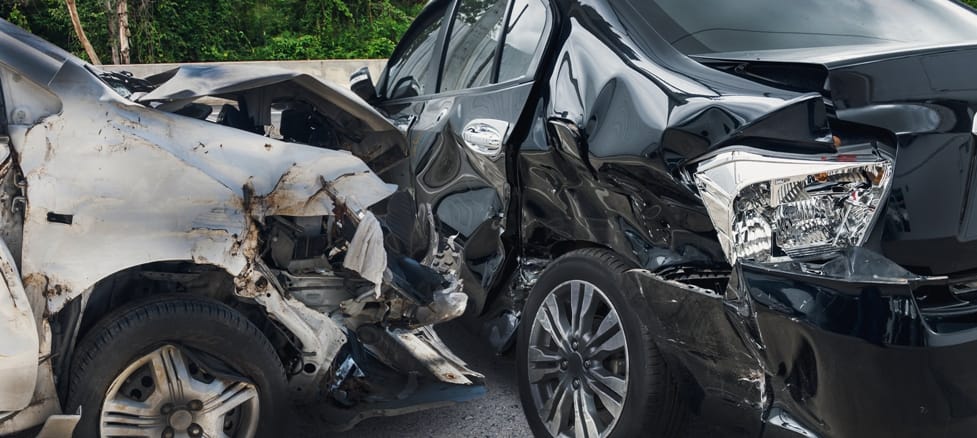
Bus accidents in Los Angeles occur more frequently than many residents realize, with the Los Angeles County Metropolitan Transportation Authority reporting hundreds of incidents annually. The city’s complex transit system, including Metro buses, local municipal buses, and private coach services, creates numerous opportunities for accidents due to heavy traffic, congested streets, and the challenges of operating large vehicles in dense urban environments. These accidents often result in serious injuries due to the size disparity between buses and other vehicles, as well as the limited safety features available to bus passengers compared to car occupants.
Being involved in a severe bus collision can be overwhelming, and the aftermath usually consists of dealing with physical injuries, mental distress, and complex legal matters. If you’ve been injured in such an incident, consulting with a qualified bus accident lawyer in Los Angeles can help protect your rights and guide you through the legal process. This guide helps identify the right steps that a person can take after such an incident.
Immediate Actions at the Scene
Safety comes first – always first. If able, move to safety and out of traffic. Check for any injuries and call the authorities. It can be critical to provide first responders with accurate information regarding the accident and any injuries that have been sustained.
Witnesses can play a critical role in these situations. If there are bystanders who witnessed the accident, be sure to collect their names and contact information. Their testimony could prove valuable later if legal action becomes necessary. Taking photographs of the accident scene, including the bus, other vehicles, and road conditions, can help support any subsequent claims.
Seek Medical Attention
Seek medical attention as soon as possible, even if the injuries seem minor. Not all injuries are visible to the naked eye. A doctor can detect any underlying problems and treat you. Medical records will also create a paper trail if it later becomes necessary to take legal action.
Documenting the Incident
Keeping detailed records is important. Maintain a log of symptoms, treatments, and conversations with physicians. This documentation will help you navigate the aftermath of the accident.
Keep all documentation related to the accident from police reports to medical bills. They can serve as evidence in connection with insurance claims or legal action.
Contacting Insurance Companies
Notifying insurance companies of the accident is essential. According to the National Highway Traffic Safety Administration, proper documentation and timely reporting are crucial for successful insurance claims in public transportation accidents. Make sure that you provide them with accurate and detailed information for the claims to be processed as smoothly as possible. Always document every communication with the insurer, including emails, phone calls, and letters.
Be straightforward about the details of the accident to avoid any misunderstandings. Also review your insurance policy to understand your coverage.
Legal Considerations
It is always advisable toconsult with a legal expert They may be able to advise you about how much compensation you may be entitled to, as well as your legal rights. Understanding the legal process may help in making informed decisions.
An attorney can help negotiate with insurers and if a lawsuit becomes necessary, represent you in court. They can assist with gathering evidence, such as witness statements and accident reports, to support a strong case.
Emotional and Psychological Support
Serious accidents can take a toll on mental health. Seeking professional help from counselors or therapists may help with emotional healing. Talking with friends and family may also provide support during these difficult times.
Joining support groups with people who have had similar experiences can provide comfort and understanding. Sharing experiences and advice with others makes the journey feel less isolating.
Rehabilitation and Recovery
Following rehabilitation programs and medical guidance helps restore strength and mobility. Adhering to recommended treatments and exercises will help the body recover its function and movement capabilities.
Setting realistic goals for recovery and celebrating small milestones can help maintain morale. Healing takes time, so patience is essential. Focusing on recovery and staying positive makes a significant difference.
Returning to Daily Life
Gradually returning to normal activities is important. Start with basic activities and slowly work up to more demanding tasks. Listening to your body and resting when needed will help avoid further injury.
Communicating with employers and educators about your situation can help reduce some responsibilities. They may provide accommodations to make transitioning back into everyday life easier.
Conclusion
When dealing with the aftermath of a serious bus accident, it is vital that you take appropriate action. The first steps focus on safety, getting medical attention, and documenting everything. Assistance from insurance companies and legal advisors can prove beneficial for resolution. Recovery requires both emotional support and rehabilitation. Following these steps allows those affected to better handle this challenging time and focus on healing and returning to their lives.