
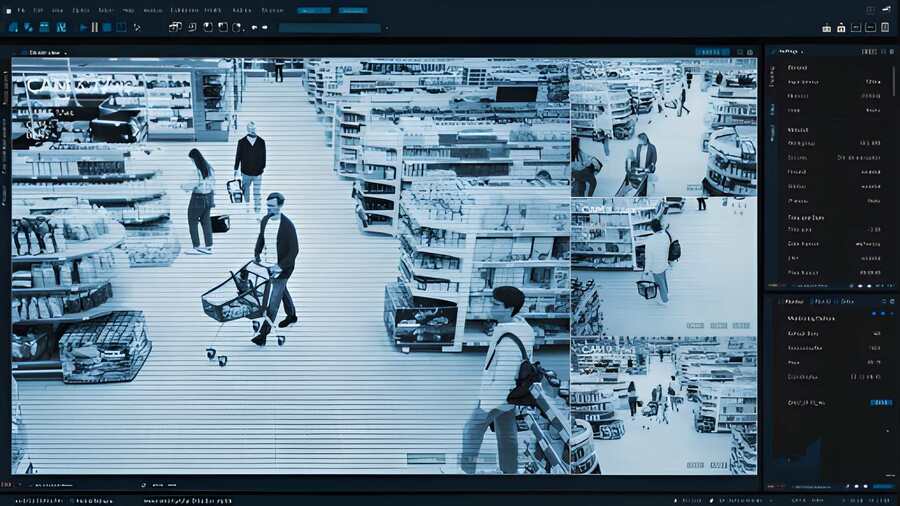
When you slip, trip, or suffer an injury in a supermarket or retail store, the truth of what happened often comes down to one thing—evidence. Among all forms of proof, few are as compelling as surveillance footage. In a world where nearly every aisle, entrance, and checkout line is monitored, video evidence can make or break a premises-liability case.
Why Surveillance Footage Matters
Store cameras capture real-time events, documenting conditions that words alone can not convey, like a spill left unattended, poor lighting, or an employee ignoring a hazard. For an injured shopper, this footage can confirm negligence: that the store failed to maintain a safe environment or to correct a dangerous condition in a timely manner.
Without this evidence, cases can devolve into conflicting stories. It’s your word against the store’s. A clear video removes ambiguity and provides a factual foundation that judges, juries, and insurance companies can not easily dismiss.
How Lawyers Obtain and Preserve Video Evidence
The process of obtaining and preserving surveillance footage starts immediately after an injury is reported. Once an attorney is retained, their legal team typically sends a formal preservation letter to the store demanding that all surveillance footage related to the incident be saved. This step is crucial and many retail systems automatically overwrite video every few days. If not requested promptly, key evidence can vanish forever.
Once preserved, the footage is analyzed alongside photographs, incident reports, and witness statements. Together, these elements create a timeline showing exactly what occurred and who bears responsibility.
For example, a video might show a puddle on the floor for twenty minutes before a customer slips. That timeline proves the store had ample opportunity to clean it up or warn shoppers, which is classic negligence under Texas law.
Complementary Evidence That Strengthens the Case
Video alone only tells part of the story. To present a complete picture, skilled attorneys integrate it with other forms of evidence:
- Photos of the scene taken immediately after the accident
- Medical records linking the incident to the injury
- Witness contact information and statements
- Store incident reports documenting staff responses
- Maintenance logs or cleaning schedules
Each piece supports the other. For instance, if the video shows employees walking past a hazard and maintenance logs confirm no cleanup during that time, negligence becomes undeniable.
The Challenges of Securing Footage
While it sounds straightforward, obtaining surveillance video is rarely easy. Stores may delay, deny, or claim the footage was lost. Corporate policies, privacy rules, or bureaucratic hurdles can slow the process to a crawl. That’s why quick legal action is essential—especially in Texas, where premises-liability law places the burden of proof squarely on the injured party.
An experienced premises-liability attorney knows how to cut through the red tape. Their team acts fast to preserve evidence before it disappears and compels stores or insurers to comply through legal channels if necessary.
How Surveillance Footage Proves Negligence
In premises-liability cases, video footage can establish several critical facts:
- Existence of a Hazard: Shows the dangerous condition—like a spill, debris, or faulty equipment.
- Duration of the Hazard: Indicates how long the hazard was present before the accident.
- Knowledge or Negligence of Store Staff: Reveals whether employees noticed but ignored the danger.
- Causation: Confirms that the hazard directly caused the injury.
- Victim Behavior: Demonstrates that the injured person was acting reasonably at the time.
Courts and insurance companies rely heavily on such footage because it offers objective truth—something human memory often distorts after trauma.
Real-World Example: A Slip-and-Fall in a Supermarket
Imagine a shopper slipping on a spilled drink near the beverage aisle. The store claims the spill “just happened,” arguing they couldn not have known. But the surveillance video tells another story: the spill occurred thirty minutes earlier, and several employees walked by without cleaning it up or marking it with a caution sign.
That video transforms a weak claim into a strong case for compensation. It proves the store failed in its duty to keep the premises safe, which under Texas law establishes negligence.
Texas Law and Store Owner Responsibility
Under Texas premises-liability law, property owners and businesses owe a duty of care to customers. They must routinely inspect the premises, fix hazards promptly, and warn visitors of dangers they can not immediately correct. Failure to do so constitutes negligence.
However, Texas also applies a comparative negligence rule—meaning if the injured shopper is partly at fault (for example, running or ignoring warning signs), compensation may be reduced proportionally. Video evidence helps clarify those percentages by showing what truly occurred.
The Importance of Acting Quickly
Most stores retain surveillance footage for a limited time—sometimes as little as 48 to 72 hours. That’s why injured victims should contact a lawyer immediately after an accident. Prompt legal intervention can ensure that video evidence is preserved before it’s deleted or recorded over.
Delaying even a few days can jeopardize a case. Once footage is gone, reconstructing the scene becomes significantly harder and often relies solely on witness accounts.
What to Do After a Store Accident
While waiting for professional legal help, victims can take immediate steps to protect their rights:
- Seek medical attention even for minor injuries.
- Report the incident to store management and request an official report.
- Take photographs of the scene, including any visible hazards.
- Get witness names and contact details.
- Avoid making statements about fault to employees or insurers.
- Save receipts, medical bills, and related documentation.
- Contact a personal injury lawyer as soon as possible.
These actions create a foundation for a strong claim and make it easier for an attorney to preserve critical evidence like video footage.
Beyond Footage: Building the Full Case
Surveillance video may provide the “aha” moment, but winning a premises-liability case requires weaving that footage into a compelling legal narrative. A skilled legal team combines evidence, expert testimony, and detailed analysis to show exactly how the store’s negligence led to harm—and how that harm affects a client’s life physically, emotionally, and financially.
Once the case is built, the lawyer negotiates with insurers to seek fair compensation for medical costs, lost wages, pain and suffering, and long-term care needs. If negotiations fail, the evidence—including the crucial video footage—can be presented to a judge or jury.
Why an Experienced Premises-Liability Lawyer Makes a Difference
Many people assume store accidents are “minor,” but injuries from slips or falls can lead to fractured bones, spinal trauma, or even brain injuries. Having an experienced attorney ensures the legal nuances—like evidence preservation and comparative fault—are handled correctly.
A knowledgeable lawyer understands not only how to secure surveillance footage, but also how to interpret and present it effectively in settlement discussions or at trial. Their ability to transform a few seconds of video into a persuasive argument can dramatically affect the outcome of a case.
Conclusion: Footage That Tells the Truth
In the aftermath of a store accident, the facts can quickly become blurred as witnesses forget details, stores deny responsibility, and vital proof disappears. That’s why surveillance footage is so powerful. It captures the truth in real time, providing the clarity needed to hold negligent businesses accountable.
At Guajardo Injury Law, attorney Mike Guajardo and his team understand how crucial this evidence can be. They move fast to secure, analyze, and preserve video footage before it’s lost, often within hours of being contacted. Mike personally oversees every case, ensuring that no detail is overlooked and that every client receives the focused attention their situation deserves.
With decades of experience handling premises liability and store accident cases, Mike Guajardo knows how to turn a single frame of footage into a compelling legal story that proves negligence, strengthens negotiations with insurance companies, and delivers justice for injured victims.
If you’ve been hurt in a supermarket or retail store, time is critical. Contact Guajardo Injury Law today to protect your rights and your evidence. The truth is often caught on camera, and Mike Guajardo knows exactly how to use it to fight for you.