
A truck accident can be a traumatic event with serious consequences. When such an accident occurs in New Jersey, understanding the types of legal compensation you may be entitled to is crucial. People who get hurt often end up with big medical bills and may lose money because they can’t work. Knowing your rights and the compensation you can claim helps you recover and move forward. This article will explore the different types of compensation available after a truck accident in New Jersey. This will include medical expenses, lost wages, pain and suffering, property damage, and punitive damages.
Medical Expenses
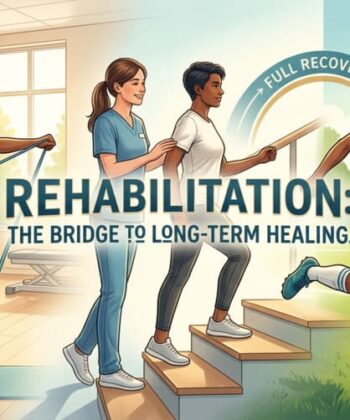
Medical expenses are usually the most immediate concern after a truck accident. Injuries from these accidents can be severe, requiring extensive treatment. People who get hurt might need operations and therapy. They could also need care for a long time. Compensation for medical expenses covers hospital stays, doctor visits, medication, and rehabilitation services. It’s important to keep all medical records and receipts as they will be needed to support your claim. In New Jersey, both current and future medical expenses related to the accident can be claimed. This ensures that medical bills do not burden you down the line.
Lost Wages
A truck accident can prevent you from working, leading to lost wages. Whether your injuries keep you from work for a short period or result in long-term disability, you are entitled to compensation. Lost wages cover the income you would have earned if you had not been injured. If your ability to work is permanently affected, you may also claim for loss of earning capacity. This means you can receive compensation for the future income you will miss out on due to the accident. Providing proof of your earnings before the accident helps strengthen your claim for lost wages.
Pain and Suffering
Pain and suffering compensation addresses the physical and emotional distress caused by a truck accident. Unlike medical expenses and lost wages, this type of compensation is more subjective. It considers the pain endured, the impact on your quality of life, and emotional trauma. New Jersey uses different methods to calculate pain and suffering damages, often considering the severity of the injury and its long-term effects. Documenting your pain and how it affects your daily life can support your claim. This type of compensation is essential for recognizing the broader impact of the accident on your life.
Property Damage
Truck accidents often result in significant damage to your vehicle and personal property. Compensation for property damage covers the cost of repairs or the value of a total loss. In New Jersey, you are entitled to have your vehicle restored to its condition before the accident. If your car is totaled, you should receive its market value. It’s important to get a detailed repair estimate and keep records of any related expenses. This ensures that you receive total compensation for the damage to your property.
Punitive Damages
In some cases, you may be entitled to punitive damages. These are awarded when the truck driver’s conduct was especially reckless or negligent. Punitive damages are there to punish someone who did something wrong. They are not awarded in every case and require proving that the driver’s actions were more than just careless. New Jersey courts consider factors like the nature of the misconduct and the harm caused when awarding punitive damages. Although less common, these damages can significantly increase your overall compensation.
Experiencing a truck accident in New Jersey can be overwhelming. Understanding the types of compensation available helps you navigate the recovery process. Medical expenses, lost wages, pain and suffering, property damage, and punitive damages are all potential claims. Each type addresses a different aspect of the aftermath, ensuring comprehensive support. By keeping thorough records and understanding your rights, you can maximize your compensation. Getting financial help is critical to rebuilding life after a challenging event. Knowing what’s coming can help you recover better. It’s all about the support that makes healing more manageable. Seeking legal advice from a knowledgeable attorney can further help you understand and pursue your claims. They can guide you through the legal process, ensuring you receive the compensation you deserve. With the right support, you can focus on healing and moving forward.