
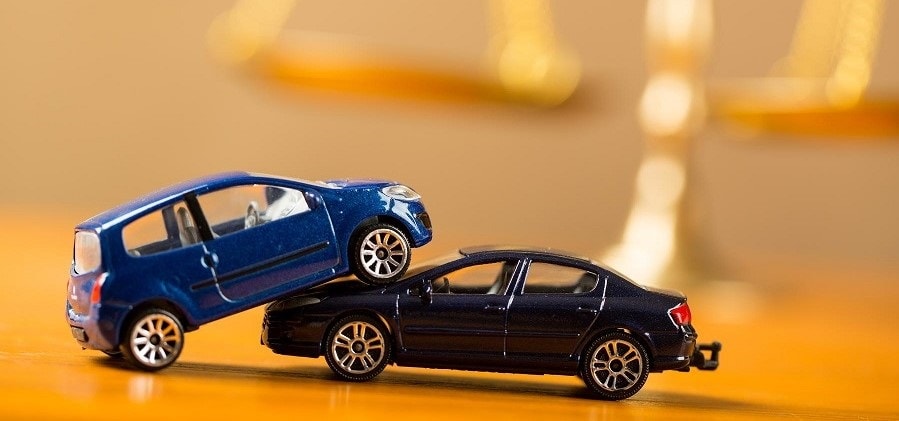
According to a National Highway Traffic Safety Administration (NHTSA) study, traffic accidents cost the U.S. economy an estimated $340 billion annually in terms of medical care, lost productivity, property damage, and legal fees.
Common Traffic Accident Causes
Common causes of traffic accidents on highways, local roads, and elsewhere, according to the Department of Transportation, NHTSA, and other government agencies, include the following:
- Careless or reckless driving
- Distracted driving
- Fatigue
- Impaired driving
- Inclement weather
- Poor road conditions
- Running stop signs and red lights
- Speeding
Vehicle Failures and Recalls
Tire blowouts, brake failures, steering or suspension malfunctions, and engine and transmission problems are also at the heart of many traffic accidents. And while these and other vehicle failures mostly stem from poor vehicle maintenance, some are byproducts of manufacturing defects. Most vehicle manufacturers will issue a vehicle recall to repair problem vehicles before they are involved in accidents, but sometimes they do so too late or not at all. Both scenarios can increase the risk of vehicle recall accidents that result in injuries, property damage, and even loss of life.
How Vehicle Recalls Cause Accidents
If recalled vehicle components, such as airbags, brakes, suspension, or steering systems, fail, they can result in a driver losing control of their vehicle and being injured or killed in an accident. In the case of faulty airbags or seatbelts, drivers can suffer worse injuries than they would otherwise have.
How Common Are Vehicle Recalls?
Vehicle recalls and related accidents are quite common. In 2025 alone, vehicle manufacturers recalled an estimated 29 million cars, trucks, and SUVs. In the same year, another 1.1 million pieces of vehicle equipment, including roughly 745,000 car seats and 145,000 tires, were deemed unsafe.
Faulty vehicle software also forced many manufacturers to issue recalls in 2025. While exact statistics are unavailable, many of these software issues were responsible for backup camera failures, powertrain issues, and electrical issues. While critically important, not all vehicle owners are in a rush to take their vehicles to dealerships for needed recall repairs. For reference, an estimated 1 in 5 vehicles on the road today have at least one outstanding safety recall.
Manufacturers With the Most Recalled Vehicles
Data from autoinsurance.com, an independent platform that helps customers compare car insurance quotes from trusted providers, manufacturers with the most vehicle and equipment recalls include the following:
- BMW
- Chrysler
- Daimler
- Ford
- General Motors
- Honda
- Hyundai
- Kia
- Mercedes-Benz
- Toyota
- Volkswagen
- Volvo
While the list of manufacturers with the most recalled vehicles is long, it is worth noting that some manufacturers on that list have issued more recall notices than others. In 2025, Ford and Toyota top the recall list with some 13 million and 3.2 million recalls, respectively.
Who Is at Fault When a Vehicle Recall Results in a Traffic Accident?
If a manufacturer fails to issue a timely recall after identifying a vehicle issue, they are usually found liable in the event of an accident. Studies show that only 5% to 9% of the leading vehicle manufacturers in the U.S. initiate timely recalls.
Sometimes, vehicle owners share the blame when a recall leads to an accident. Most of these cases involve vehicle owners continuing to drive their vehicle instead of a loaner or rental vehicle after discovering parts needed to complete the recall repair are out of stock. In some instances, vehicle owners don’t want to deal with the inconvenience that comes with losing access to their personal vehicle and, as a result, won’t take any action at all.
How a Car Accident Lawyer Can Help Prove Liability in a Vehicle Recall Accident
If you were a victim of a traffic accident caused by a manufacturing defect and that defect was the subject of a recall notice, you should hire an attorney. That is especially true if the accident resulted in injuries, property damage, loss of wages, or all the above.
An experienced personal injury attorney can help prove the vehicle’s manufacturer was liable for the recall accident by gathering evidence, which they can use to negotiate an out-of-court settlement or argue a personal injury case in court. The following are examples of such evidence:
- Accident reports
- Information from a vehicle’s electronic data recorder that proves the vehicle was not functioning properly at the time of the crash
- Pictures of skid marks, property damage, and other physical evidence
- Reports from accident reconstruction experts
- Videos from traffic cameras, dash cams, and surveillance cameras
- Witness statements
Can You Receive Compensation if You Are Partially Responsible for a Vehicle Recall Accident?
Most states use modified comparative negligence to determine who is at fault in a personal injury case. And that includes vehicle recall accidents. That means individuals can receive compensation even if they were partially responsible for causing the accident. To understand why that is the case, we need to familiarize ourselves with comparative negligence. Legally speaking, modified comparative negligence is a tort law that allows the plaintiffs to recover up to their percentage of fault in a personal injury case. Modified comparative negligence allows plaintiffs to recover damages if they are 50% or 51% or more at fault, depending on the 50% bar rule or 51% bar rule.
Why Working With an Attorney Can Help
All vehicle manufacturers have a legal duty to warn vehicle owners when they discover defects. If they fail to do so, it increases the risk of accidents. That said, whether you were partly or not at all responsible for a vehicle recall accident, you should discuss your rights with an experienced product liability attorney.