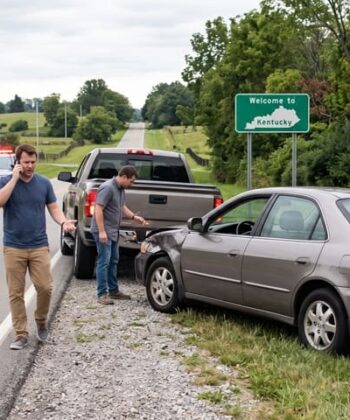


Those first few moments after a fender bender often feel surreal. Time seems to slow down, and the rush of adrenaline can make it hard to think clearly. Despite the chaos, it is possible for you to still remain calm and collected.
Here are some next steps you could take after experiencing a fender bender.
Ensuring Everyone’s Safety
It’s vital to confirm that everyone is safe. Before considering insurance details or photographs, assessing injuries and securing the scene should take priority. Even minor injuries deserve attention because adrenaline often masks pain, and early care prevents complications later. A quick check of passengers and others involved helps determine whether emergency services are needed. If vehicles remain operational but sit in a hazardous position, moving them to the shoulder or a safe area reduces the risk of secondary collisions. Hazard lights should be activated immediately to alert other drivers. These steps create a safer environment for everyone and allow the situation to be managed calmly. Remaining at the scene is essential, even if damage appears minimal. Safety sets the foundation for everything that follows, ensuring that documentation and communication occur without unnecessary risk. Taking time to confirm well-being and secure the area demonstrates responsibility and prevents further harm.
Documenting the Accident Scene Thoroughly
Accurate documentation becomes invaluable when dealing with insurance claims or legal matters. Capturing the scene while details remain fresh ensures that evidence supports your account later. Photographs provide clarity that words often cannot, especially when disputes arise weeks after the incident. Images of vehicle damage, road conditions, traffic signs, and skid marks create a comprehensive record. Notes about the time, weather, and any witness information add further credibility. These details help insurance adjusters understand what happened and reduce delays in processing claims. Thorough documentation also protects against misunderstandings, ensuring that your version of events remains consistent and verifiable. While waiting for assistance or police arrival, using this time to gather evidence makes the process smoother. Organized records simplify communication with insurers and legal representatives, turning a stressful situation into one that is handled efficiently. The effort invested in documenting the scene pays off significantly in clarity and peace of mind.
Exchanging Information With Other Parties
Clear communication with other drivers is essential for resolving the aftermath of an accident. Gathering accurate details ensures that insurance claims proceed without unnecessary complications. Information such as names, phone numbers, driver’s license numbers, and license plate details forms the foundation of the report. Insurance specifics—including company names, policy numbers, and policyholder information—are equally important. Maintaining a calm and respectful tone during this exchange prevents tension and keeps the process professional. Verifying details before leaving the scene avoids errors that could delay claims or create disputes later. Recording this information alongside your documentation provides a complete picture for insurers and legal representatives. These steps protect your interests and ensure that responsibilities are clearly defined. Accurate information sharing demonstrates accountability and helps both parties move forward with confidence. When handled thoughtfully, this interaction becomes a straightforward part of resolving the situation rather than an additional source of stress.
Notifying Your Insurance Company Promptly
Timely communication with your insurance provider ensures that claims are processed efficiently. Most policies include language about prompt reporting, and delays can complicate coverage. Sharing collected information, like photos, witness details, and police report data, helps the adjuster evaluate the situation accurately. Keeping interactions factual rather than emotional maintains clarity and professionalism. Logging conversations, including names, dates, and claim numbers, creates a reference that prevents confusion later. Regular follow-ups demonstrate engagement and help resolve issues quickly. Reviewing your policy during this process clarifies coverage limits, deductibles, and liability responsibilities. Even when another driver appears at fault, notifying your insurer remains essential because disputes or insufficient coverage can arise. In cases involving uninsured motorists, some people may contact an uninsured motorist lawyer. Prompt reporting and organized communication transform a stressful experience into a manageable process, ensuring that financial and legal concerns, if they exist, are addressed effectively.
Conclusion
Managing the aftermath of a fender bender becomes less overwhelming when steps are clear and organized. Safety forms the foundation, followed by thorough documentation and accurate information exchange.