
By Thomas G. Oakes II, Attorney and Founder, The Oakes Firm · Philadelphia, Pennsylvania | Last reviewed: October 2026
At 5:40 on a weekday evening on Roosevelt Boulevard, traffic is crawling and everyone wants to get home. One driver glances at a text. Another speeds up to beat a yellow light. A third follows a bus so closely there is barely room to stop. Each choice seems harmless, until one of them turns an ordinary commute into a crash that changes someone’s life.
Most collisions come from a short list of familiar mistakes. Knowing them, and the simple habits that prevent them, is the most effective protection any driver has. Below are the leading causes, how to avoid each one, and what Pennsylvania law means for you if another driver’s mistake puts you in harm’s way.
The Leading Causes at a Glance
| Cause | U.S. impact (NHTSA, 2024 data) |
| Distracted driving | 3,208 deaths and an estimated 315,167 injuries |
| Speeding | 11,288 deaths, about 29% of all traffic fatalities |
| Alcohol-impaired driving | 11,904 deaths, about 30% of all traffic fatalities |
These figures reflect only crashes where the cause was documented. Distraction in particular is believed to be undercounted, because few drivers admit to looking at a phone after a collision.
Distracted Driving
Anything that takes your eyes, hands or attention off the road counts: phones first, but also eating, adjusting navigation, reaching into the back seat and heated conversations. According to NHTSA, 3,208 people were killed in crashes involving distracted drivers in 2024. At 55 mph, a five-second glance at a screen covers the length of a football field.
Pennsylvania now treats handheld phone use as a primary offense. Under Paul Miller’s Law, drivers may not hold a phone or other interactive device while driving, including at red lights or in stopped traffic. After a year of warnings, police began issuing $50 tickets in June 2026. A driver convicted of homicide by vehicle while distracted can face up to five additional years in prison.
How to avoid it: Put the phone out of reach or in a mount before you start the car, set navigation and music while parked, and pull over for anything that needs your hands or full attention.
Speeding
Speed turns small errors into serious crashes. It lengthens stopping distance, shortens reaction time and increases the force of impact. Speeding was a factor in 29 percent of U.S. traffic deaths in 2024, and more than a third of speeding drivers in fatal crashes were also over the legal alcohol limit.
How to avoid it: Leave earlier, use cruise control on highways to resist creeping up, and remember that posted limits assume good conditions. Rain, darkness and heavy traffic all call for less.
Impaired Driving
Alcohol, cannabis and some prescription and over-the-counter medications slow reactions and impair judgment. Alcohol-impaired driving alone accounted for 11,904 deaths, or 30 percent of all U.S. traffic fatalities, in 2024, and impairment begins well below the 0.08 legal limit.
How to avoid it: Decide how you are getting home before the first drink, use a rideshare or designated driver, and read medication labels for drowsiness warnings.
Running Red Lights and Stop Signs
Intersection crashes are especially dangerous because they often involve side impacts, where a vehicle’s structure offers the least protection. Many happen when a driver tries to beat a light or rolls through a stop sign.
How to avoid it: Treat a yellow light as a signal to stop if you safely can, pause a moment after your light turns green to watch for red-light runners, and come to a full stop at every sign.
Following Too Closely
Rear-end collisions are the most common type of crash, and tailgating is a leading reason. It leaves no margin when the car ahead brakes suddenly, which happens constantly in city traffic and on I-95 and the Schuylkill Expressway.
How to avoid it: Keep at least a three-second gap in good conditions and double it in rain or heavy traffic. Pick a fixed object the car ahead passes, and count.
Unsafe Lane Changes and Blind Spots
Drifting into an occupied lane or changing lanes without signaling causes sideswipes, and at highway speed those can push a vehicle into a spin or across traffic.
How to avoid it: Signal early, check your mirrors and then turn your head, and never change lanes in an intersection or across several lanes at once.
Drowsy Driving
Fatigue slows reaction time and judgment in ways similar to alcohol. It is most common late at night, in the early morning and in the mid-afternoon slump. A two-second microsleep at highway speed is enough to leave the road.
How to avoid it: Do not drive after a sleepless night, stop every two hours on long trips, and pull over when you catch yourself yawning repeatedly or drifting out of your lane.
Weather and Road Conditions
Rain, ice, fog and poorly maintained roads contribute to crashes when drivers do not adjust. Most weather-related crashes happen on wet pavement in ordinary rain, not in dramatic storms.
How to avoid it: Slow down, turn on your headlights, increase your following distance, and avoid cruise control on wet roads.
Inexperience and Aggressive Driving
New drivers misjudge gaps and speeds; aggressive drivers of any age weave, brake-check and race. Both are overrepresented in crash data. This overview of common risk factors for teen drivers covers what parents can do during the learning years.
How to avoid it: Give new drivers supervised practice in varied conditions, and do not engage with aggressive drivers. Let them go and put distance between you.
When Someone Else’s Mistake Causes a Crash
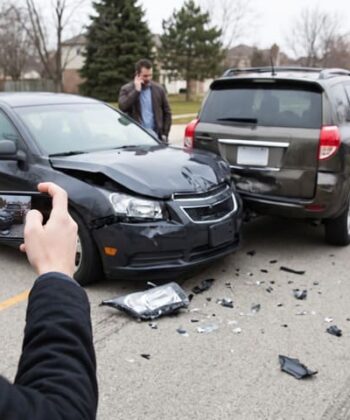
Even careful drivers get hit. If it happens, call 911, get medical care the same day, photograph the vehicles and scene, collect witness information, and avoid discussing fault with the other driver or their insurer. This checklist of what to do after a car accident walks through the first steps in more detail.
Serious injuries, especially to the head, neck or spine, benefit from early advice before insurers ask for recorded statements or offer a quick settlement. Many people hurt on the city’s roads consult a Philadelphia personal injury lawyer in the first days so that camera footage and vehicle data are preserved and the full extent of the injury is documented.
When the Vehicle Is Part of the Problem
A crash is not always only the other driver’s fault. If a seat belt, airbag, roof or tire fails in a way that makes injuries worse, the manufacturer may share responsibility under what is known as crashworthiness law. The Oakes Firm’s published results include a $2.95 million recovery in a motor vehicle case involving paralysis, in which the claim was pursued on products liability and crashworthiness grounds. Cases like this depend on preserving the vehicle itself before it is repaired or salvaged.
Past results do not guarantee a similar outcome. Every case depends on its own facts.
Pennsylvania Law After a Crash
- Limited tort vs. full tort: Pennsylvania drivers choose between limited tort and full tort coverage. With limited tort, you generally cannot recover for pain and suffering unless the injury qualifies as a “serious injury” or an exception applies, such as a crash with a drunk driver or a driver of an out-of-state vehicle.
- First-party medical benefits: Every Pennsylvania auto policy must include at least $5,000 in medical benefits that pay regardless of fault.
- Comparative negligence: You can recover damages as long as your share of fault is not greater than the other side’s, but your award is reduced by your percentage.
- Filing deadline: Most personal injury claims must be filed within two years of the crash.
- Minimum coverage: Required liability limits are $15,000 per person, $30,000 per accident and $5,000 for property damage. Those limits are low, so uninsured and underinsured motorist coverage on your own policy is often what pays in a serious crash.
Checking which tort option you chose, and whether your uninsured and underinsured coverage is adequate, is one of the most useful things a Pennsylvania driver can do before a crash ever happens.
The causes of most crashes are familiar: distraction, speed, impairment, running signals, tailgating, careless lane changes, fatigue, weather, inexperience and aggression. Each is avoidable with habits that cost nothing: a phone out of reach, a few extra seconds of following distance, a plan for getting home and a full stop at every sign. The evening commute on Roosevelt Boulevard only works when enough drivers choose to pay attention. Be one of them.
Disclaimer
This article provides general information about car accident causes, prevention and Pennsylvania law. It is not legal advice, and reading it does not create an attorney-client relationship. Insurance coverage and legal rights depend on your policy and the facts of each crash. Consult a licensed Pennsylvania attorney about your situation.