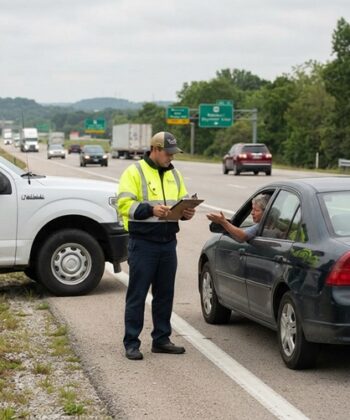


A car crash in Chicago often leaves more than visible damage behind, especially when bills, insurance calls, and paperwork start piling up faster than expected. What looks like a simple accident on the surface quickly turns into a long process where every detail can affect what comes next. Many people walk into this situation thinking the numbers will settle themselves, only to realize later that small steps early on can shape everything. The idea of a fair payout sounds straightforward, yet the path to it rarely is. There are forms, timelines, and decisions that carry weight beyond what most expect. This blog takes a closer look at how the process unfolds and what usually influences the outcome in such cases.
How Insurance Companies Start the Process After a Crash
After an accident in Chicago, insurance companies usually begin with quick fact gathering. They look at police reports, basic statements, and early medical notes. This stage often feels routine, but it quietly sets the tone for everything that follows. Adjusters may reach out soon after the crash, sometimes before injuries are fully understood or documented.
At this point, the idea of a settlement for a Chicago car accident case often comes into the conversation, but early figures are usually based on limited information. Many people do not realize that these early numbers can change significantly once full medical evaluations and repair estimates come in. The first steps are less about the final value and more about shaping the direction of the claim.
Key Elements That Influence Compensation Value
Several factors come together to determine how compensation is calculated in Illinois accident cases. Each one carries its own weight and is reviewed carefully during the process.
Medical treatment plays one of the biggest roles. Emergency care, follow-up visits, therapy, and ongoing treatment records all help define the seriousness of injuries. Without complete documentation, the value of a claim may appear lower than expected.
Property damage is another factor. Repair costs or vehicle replacement value are assessed through inspections and repair estimates. Even small details in reports can affect the final numbers.
Lost income is also considered. Time away from work due to injuries is calculated using pay records and employer confirmation. In more serious cases, future earning impact may also be reviewed.
Fault determination matters as well. Illinois follows a comparative fault system, meaning responsibility can be shared. Even a small percentage of assigned fault can affect the final payout.
Why Documentation Shapes the Entire Claim
Documentation acts as the backbone of the entire compensation process. Medical records, repair bills, photographs, and communication records all help create a timeline of events. Without them, insurers may rely on assumptions rather than facts.
Medical records are especially important because they connect injuries directly to the accident. Even gaps in treatment can raise questions during evaluation. Consistent follow-ups show how injuries progress over time, which helps establish their seriousness.
Photographs of the accident scene, vehicle damage, and visible injuries also help support the claim. These details often provide clarity that written descriptions cannot fully capture.
Financial records matter just as much. Pay slips, tax records, and invoices help show the real impact of missed work and out-of-pocket expenses. When all these elements come together, they create a stronger and more complete claim file.
Common Delays That Affect the Process
The compensation process in Chicago is not always fast. Several factors can slow things down, and many of them are outside the claimant’s control.
Medical treatment delays often extend the timeline. Doctors may need time to fully understand injuries before issuing final reports. Insurance companies usually wait for this before making decisions.
Disputes over fault can also slow progress. When both sides give different accounts of the crash, additional review may be required.
Another common delay comes from incomplete paperwork. Missing documents or unclear records can pause the evaluation process until everything is clarified.
These delays are not unusual, but they do affect how long it takes to make a final offer.
What Usually Happens Before a Final Offer Is Made
Before any final compensation figure is presented, insurance companies typically review all collected information again. This includes medical updates, repair costs, and any new evidence submitted during the process.
Negotiations may also take place at this stage. Initial offers are often adjusted as more details become available. The goal is to reach a number that reflects the full scope of damages, though the interpretation of that value can differ between parties.
This is also where patience becomes important. Rushing this stage can sometimes result in accepting less than what the situation may fully justify.
Final Thoughts on the Compensation Journey
The path toward resolving a car accident claim in Chicago involves several moving parts that build on each other over time. Each stage adds detail to the final picture, from early reports to final negotiations. While the process may appear simple at first glance, it is shaped by evidence, timing, and careful evaluation of losses. A settlement for a Chicago car accident case is ultimately influenced by how well each part of the claim is documented and understood throughout the process. When all elements are clearly presented, the final outcome tends to reflect the full extent of what was experienced rather than just the initial snapshot taken after the crash.