

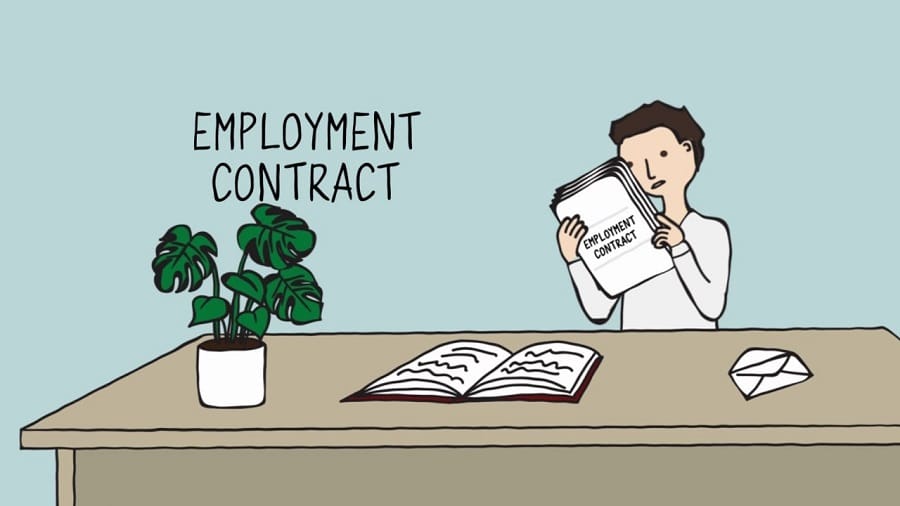
Legal issues involving employment or family relationships can have a lasting impact on a person’s finances, career, and personal life. Whether someone is dealing with a workplace dispute or navigating a divorce, custody matter, or support issue, understanding the legal process can make difficult situations easier to approach.
Both employment law and family law involve detailed state regulations, important deadlines, and circumstances that can vary considerably from one case to another.
What Does Employment Law Cover?
Employment law addresses the legal relationship between workers and employers. Workplace disputes can involve everything from unpaid compensation and discrimination allegations to wrongful termination and employment agreements.
Common employment-related matters include:
- Wrongful termination
- Workplace discrimination
- Harassment claims
- Retaliation
- Wage and hour disputes
- Employment contracts
- Severance agreements
- Workplace accommodations
- Employee classification
- Non-compete and restrictive agreements
Someone searching for an Employment attorney Harrisburg PA may be dealing with a workplace dispute that requires careful review of employment records, company policies, communications, and applicable Pennsylvania law.
When Should You Consider Legal Advice About a Workplace Dispute?
Not every workplace disagreement requires legal action. However, professional guidance may be useful when an employee believes their legal rights have been violated or when a dispute could significantly affect their career or finances.
Situations that may justify seeking advice include:
- Sudden termination under disputed circumstances
- Unpaid wages or overtime
- Allegations of workplace discrimination
- Retaliation after reporting misconduct
- Harassment complaints
- Disputes involving employment contracts
- Questions about severance agreements
- Conflicts involving restrictive covenants
An Employment attorney Harrisburg PA can review the circumstances and explain what legal options may be available based on the applicable law and evidence.
What Evidence Is Important in an Employment Dispute?
Documentation can play an important role in employment matters. Keeping relevant records may help establish what happened and when.
Useful evidence may include:
| Evidence | Potential Importance |
| Employment contract | Shows agreed terms and conditions |
| Pay records | Documents compensation |
| Emails | May establish workplace communications |
| Text messages | Can preserve relevant conversations |
| Performance reviews | Documents employment history |
| Company policies | Shows applicable workplace rules |
| Termination documents | Records the stated reason for termination |
| Witness information | May support an employee’s account |
Employees should preserve relevant documents appropriately and avoid altering or deleting records related to a dispute.
What Does Family Law Cover?
Family law deals with legal issues involving marriage, divorce, children, financial support, and other family relationships.
Common family law matters include:
- Divorce
- Child custody
- Child support
- Spousal support
- Property division
- Prenuptial agreements
- Postnuptial agreements
- Paternity matters
- Adoption
- Protective orders in appropriate circumstances
A person searching for a Family Law Attorney Harrisburg PA may be facing an emotionally difficult situation involving family relationships and significant legal decisions.
What Should You Consider Before Filing for Divorce?
Divorce can involve much more than legally ending a marriage. Couples may need to address property, debts, income, retirement accounts, support, and arrangements involving children.
Before making major decisions, consider organizing information about:
- Bank accounts
- Real estate
- Vehicles
- Retirement accounts
- Investments
- Debts
- Income
- Tax records
- Insurance policies
- Children’s expenses
A Family Law Attorney Harrisburg PA can explain the legal process and help a person understand how Pennsylvania law may apply to issues involving marital property, support, and other divorce-related matters.
How Is Child Custody Determined?
Child custody decisions focus on the child’s best interests. Courts may consider various circumstances when determining appropriate custody arrangements.
Relevant factors can include:
- The child’s relationship with each parent
- Each parent’s ability to provide care
- The child’s educational needs
- Physical and emotional wellbeing
- Stability of the proposed arrangements
- Each parent’s willingness to support the child’s relationship with the other parent
- Any relevant history involving safety or family circumstances
Custody arrangements can take different forms depending on the circumstances. Parents should focus on creating arrangements that support the child’s wellbeing while complying with applicable court requirements.
What Is the Difference Between Legal and Physical Custody?
Custody can involve different rights and responsibilities.
Legal custody generally concerns major decisions affecting a child, such as education, medical care, and other important matters. Physical custody generally concerns where a child lives and the practical allocation of parenting time.
The specific terminology and arrangements can vary, so parents should understand exactly what a proposed custody order provides.
How Is Child Support Determined?
Child support is generally intended to help cover a child’s needs, including expenses associated with housing, food, education, healthcare, and other necessities.
The calculation can involve factors such as:
- Parental income
- Number of children
- Existing support obligations
- Healthcare expenses
- Childcare costs
- Custody arrangements
- Other circumstances recognized under Pennsylvania guidelines
Because financial circumstances can change, support orders may sometimes be subject to modification when legal requirements are satisfied.
What Happens to Property During a Divorce?
Property division can be one of the most complicated parts of divorce. Pennsylvania generally follows equitable distribution principles, which means marital property is divided fairly rather than necessarily divided equally.
Assets and debts may include:
- Homes
- Vehicles
- Bank accounts
- Retirement accounts
- Investments
- Business interests
- Credit-card debt
- Loans
- Other marital assets and obligations
A Family Law Attorney Harrisburg PA can help identify the issues that may need to be addressed during property division and explain the relevant legal process.
Can Employment Issues Affect Family Law Matters?
Employment and family law can sometimes overlap. Changes in employment may affect household finances, child support, spousal support, or the ability to meet existing financial obligations.
For example, a significant change in income may create questions about support obligations. Similarly, a workplace dispute that results in lost income could affect a person’s financial circumstances during a divorce or custody proceeding.
These situations may require careful coordination between employment and family-related legal issues.
How Can an Attorney Help?
Legal representation can involve investigation, documentation, negotiation, and court proceedings when necessary.
In an employment matter, an attorney may:
- Review employment agreements.
- Examine workplace records.
- Evaluate communications.
- Assess potential legal claims.
- Communicate with an employer or opposing counsel.
- Negotiate a potential resolution.
- Prepare litigation when appropriate.
In a family law matter, an attorney may:
- Explain the applicable legal process.
- Prepare required documents.
- Address custody and support issues.
- Assist with property-related matters.
- Negotiate agreements.
- Represent a client in court when necessary.
Someone researching an Employment attorney Harrisburg PA should consider whether the attorney has experience with the specific workplace issue involved.
What Should You Look for When Choosing Legal Representation?
Choosing an attorney should involve more than simply selecting the first available option. Consider experience, communication, and familiarity with the relevant area of law.
For employment matters, consider:
- Experience with Pennsylvania employment law
- Experience handling similar workplace disputes
- Contract and wage-law knowledge
- Litigation experience
- Negotiation skills
- Communication practices
For family matters, consider:
- Pennsylvania family law experience
- Divorce and custody experience
- Knowledge of support matters
- Negotiation and mediation experience
- Courtroom experience
- Clear communication
Someone comparing a Family Law Attorney Harrisburg PA should look for experience that corresponds closely with the specific family issue involved.
Frequently Asked Questions
Can an employment dispute be resolved without going to court?
Potentially. Some workplace disputes can be resolved through negotiations, mediation, administrative procedures, or settlement agreements. The appropriate approach depends on the circumstances.
Should I sign a severance agreement immediately?
A severance agreement can contain important legal terms and restrictions. Before signing, it may be worthwhile to understand exactly what rights and obligations the agreement creates.
Can parents create their own custody agreement?
Parents may be able to reach an agreement regarding custody and parenting arrangements, subject to applicable legal and court requirements.
Can child support change after a change in income?
Potentially. Significant changes in financial circumstances may sometimes justify modification, depending on the applicable legal requirements.
When should I speak with an attorney?
Early legal guidance can be useful when a workplace dispute may affect your employment or finances, or when a family matter involves divorce, custody, support, or significant property issues.
The Takeaway
Employment and family legal matters can have major consequences for both financial stability and personal wellbeing. Workplace disputes may involve contracts, compensation, discrimination, termination, or retaliation, while family law matters can involve divorce, custody, support, and property division.
An Employment attorney Harrisburg PA can help employees understand their rights and potential options when facing complicated workplace disputes. A Family Law Attorney Harrisburg PA can provide guidance regarding divorce, custody, support, property, and other family-related legal matters. Because every legal situation is different, individuals should preserve relevant documentation, pay attention to applicable deadlines, and seek professional advice when they need help understanding their rights and available options.