
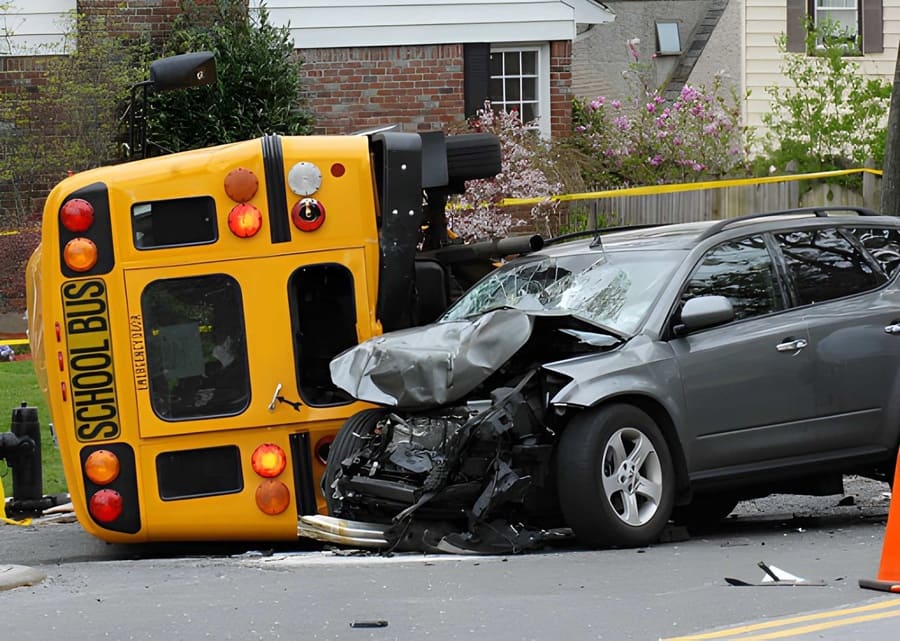
Every morning, millions of children climb into yellow school buses expecting a routine ride to their classrooms. Federal data confirms that school buses remain one of the safest modes of transportation on the road. Still, when a crash does happen, the impact on young passengers and their families is often life-altering.
Sorting out who is legally at fault after a school bus crash is far more complicated than resolving a standard fender bender between two private drivers. Responsibility frequently spans multiple entities, ranging from local municipalities to private contractors. In these situations, parents often work alongside a school bus accident lawyer in Chicago to trace the chain of custody and identify every party that shared a duty of care. Uncovering that paper trail is the first real step toward covering medical bills, physical therapy, and emotional recovery.
Primary Parties That May Be Liable in a School Bus Crash
Liability in a school bus collision rarely falls on just one set of shoulders. Depending on who owns the bus, who manages the route, and what caused the impact, several distinct entities can share legal responsibility.
1. The Local School District or Government Entity
Public school systems owe a direct duty of care to the children they transport. When a district operates its own fleet, administrators are legally required to vet drivers, conduct background checks, enforce routine safety training, and keep every bus in working order.
If a district ignores red flags (like keeping a driver with a history of safety infractions on the payroll), it can face direct claims for institutional negligence. That said, pursuing a claim against a public entity means navigating procedural hurdles like sovereign immunity.
2. Private Bus Transportation Companies
To cut costs and logistics, many school districts outsource student transit to private bus vendors. These private contractors hold full corporate liability for the conduct of their drivers and the upkeep of their vehicles.
Because private vendors are commercial businesses, they generally do not benefit from government immunity protections. Under the standard rule of respondeat superior, these firms are directly liable for any negligent acts their drivers commit while on the clock.
3. The School Bus Driver
Bus drivers are held to commercial driving standards, which means they carry a higher standard of care than average motorists. When an individual driver makes a reckless choice behind the wheel, they can be named directly in a claim.
Common instances of driver error include checking a phone, driving while exhausted, exceeding speed limits, failing to clear blind spots, or operating under the influence of medications or alcohol.
4. Other Motorists on the Road
In many cases, the bus driver isn’t the one who caused the wreck. Negligent drivers in surrounding passenger cars regularly cause severe multi-vehicle accidents by speeding through school zones, running stop signs, ignoring flashing red stop arms, or tailgating.
5. Vehicle and Parts Manufacturers
Mechanical defects can cause catastrophic crashes even when a driver does everything right. If a bus crashes because of a sudden brake system failure, a steering lockup, or a tire blowout linked to a design flaw, the manufacturer can be held strictly liable under product liability laws.
Key Safety Statistic: According to the National Highway Traffic Safety Administration (NHTSA), while school buses are statistically safe, hundreds of injuries occur annually during loading zone collisions and intersection crashes, making swift evidence gathering essential.
Key Factors That Determine Fault and Legal Liability
Proving liability comes down to connecting a broken duty of care directly to the injuries a child suffered. Investigators rely on several key pieces of hard evidence to piece together what happened:
- Onboard Camera Video: Most modern fleets feature interior and exterior dashcams that record real-time driver behavior, passenger movement, and road conditions.
- Telematics and Black Box Data: Event data recorders log critical variables like speed, sudden braking, steering angles, and exact impact times.
- Maintenance Logs: Records show whether required safety inspections actually happened or if reported mechanical issues were swept under the rug.
- Driver Personnel Files: Background checks, drug screen logs, and training records clarify whether the driver was properly vetted and qualified.
- Official Crash Reports: Law enforcement logs provide objective details on weather conditions, road hazards, traffic citations, and initial witness accounts.
Critical Steps Parents Should Take After a School Bus Injury
The hours and days immediately following an accident are vital for protecting both a child’s health and their legal standing. Taking organized, deliberate steps creates a clear trail for any future claims:
- Get an Immediate Medical Checkup: Get your child evaluated by a physician right away. Traumatic injuries like concussions, internal bruising, or whiplash don’t always show symptoms right at the scene.
- Organize Every Paper Trail: Keep a dedicated file for emergency room visits, specialist referrals, therapy bills, doctor notes, and documented school absences.
- Be Cautious with Quick Insurance Offers: Insurance adjusters often reach out early to offer quick settlements before the full scope of medical treatments or emotional trauma is clear.
- Consult Legal Counsel Early: Working with a legal advocate ensures vital evidence, such as bus camera footage that gets erased on a loop, is formally preserved. You can explore regional legal representation options in our FindAttorneys Personal Injury Directory to connect with local advocates experienced in complex injury claims.
How Legal Rules Differ for School Bus Injury Claims
Filing a claim for a school bus injury is vastly different from handling an ordinary car collision. When public school districts are involved, statutory guidelines like Tort Claims Acts dictate strict notice requirements.
While standard personal injury claims often allow two or three years to file, government claims usually require a formal “Notice of Claim” within a much narrower window, sometimes as short as 60 to 180 days. Missing that statutory deadline can permanently close the door to financial recovery.
“Filing against public entities involves strict procedural hoops. Missing a single administrative deadline can cut off a family’s access to the funds needed for long-term care.”
Determining whether you are dealing with a public district, a private contractor, or a mix of both changes everything from filing deadlines to insurance caps. Establishing those facts early on is critical.
Frequently Asked Questions About School Bus Accidents
How long do I have to file a claim if my child is hurt on a school bus?
It depends entirely on who operated the bus. Claims against public school districts often require filing an administrative notice within a few months, while claims against private bus contractors follow standard state personal injury deadlines.
What if my child was injured while stepping off or loading onto the bus?
Liability still applies. Drivers owe a high duty of care in the “danger zone” around the bus and must ensure children reach a safe walking area before turning off warning lights or moving the vehicle.
Conclusion: Protecting Your Child’s Rights
A school bus crash is a traumatic disruption for any family, but you don’t have to figure out the legal aftermath alone. Pinpointing who was responsible, whether it was a distracted driver, a negligent school district, a contractor, or a parts manufacturer, is the key to securing the financial support your child needs to recover. Getting experienced guidance early helps make sure your child’s recovery and future are fully protected.