
Written By Jason Stone, Founder & President, Jason Stone Injury Lawyers
Last reviewed: August 2026
Table Of Contents
- What To Do In The First Few Minutes
- How To Make The Crash Scene Safer
- What Information To Collect
- How To Photograph And Record Evidence
- Why Medical Follow-Up Matters
- How To Report The Crash To An Insurance Company
- Which Costs And Losses To Track
- How Fault May Be Evaluated
- Common Mistakes To Avoid After A Collision
- When Legal Guidance May Be Useful
- A Simple 2026 Post-Crash Checklist
- Final Takeaway
A car accident can leave anyone shaken, even when the visible damage seems minor. The top priorities are protecting people, ensuring appropriate care, and preserving accurate information. In two decades of handling injury claims across Massachusetts, I’ve seen firsthand how the decisions made in the first hours after a crash — whether to call police, whether to get checked out, what gets photographed — shape how a claim plays out months later. This roadmap draws on that experience, prioritizing safety, followed by documentation, medical follow-up, insurance communication, and records that may be useful later.
What To Do In The First Few Minutes
Start by checking yourself, your passengers, and others involved. Call 911 if anyone is injured, seems confused, has trouble breathing, or if traffic, fire, fuel, or damaged vehicles make the scene dangerous. Do not move an injured person unless they face an immediate threat. Stay at the scene unless emergency care or safety requires otherwise, and give responders straightforward facts without guessing about fault.
How To Make The Crash Scene Safer
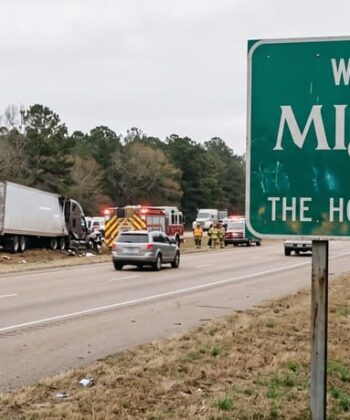
If vehicles can be moved safely and local responders have not instructed otherwise, pull out of active traffic, turn on hazard lights, and move occupants to a protected area. Stay alert for fast-moving vehicles, poor visibility, leaking fluids, broken glass, or downed wires. Do not step into traffic for a photo, touch exposed wires, or use flares where fuel may be leaking. Follow directions from police, firefighters, and medical personnel.
What Information To Collect
Once everyone is safe, exchange information calmly. Avoid arguments, accusations, or lengthy explanations. Collect each driver’s name, contact information, driver’s license details, insurer and policy information, vehicle description, and license plate number. Also record the witness names and contact details, the location, date, approximate time, responding agency, and the report number, if available.
How To Photograph And Record Evidence
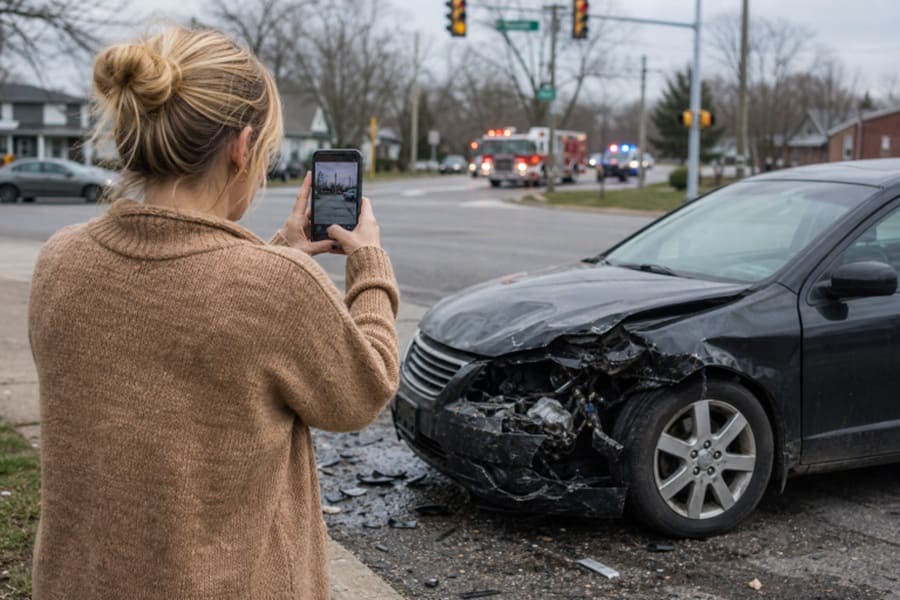
Photographs can preserve details that may disappear quickly. Take wide shots of the intersection or roadway, medium shots showing vehicle placement, and close-ups of damage. Capture traffic lights or signs, lane markings, debris, skid marks, weather, lighting, and visible injuries when appropriate. Save original files, videos, dash-camera footage, and a written account of what you remember. A post-crash checklist from AAA Northeast can help organize these tasks once immediate safety concerns have been addressed.
Why Medical Follow-Up Matters
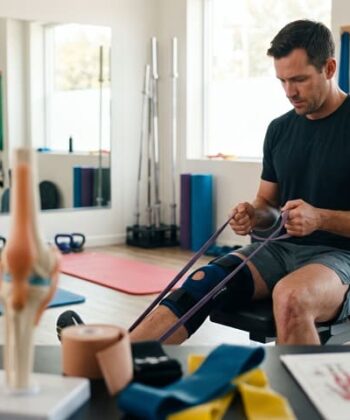
Some crash-related symptoms do not appear immediately. Seek prompt medical attention for pain, headache, dizziness, numbness, weakness, nausea, confusion, or changes in mood, sleep, or concentration. Care should always be based on your health needs, not on an insurance claim. Follow treatment instructions and tell your provider if symptoms worsen or change.
A case from our files: A client was rear-ended in traffic and, because the damage to his car looked minor, nearly skipped a medical evaluation altogether. He went anyway, was diagnosed with a soft-tissue injury that didn’t fully show itself for several days, and stayed with treatment as recommended. That documented, consistent care became the backbone of his claim — the case ultimately resolved for $250,000. We share this not because every claim reaches that outcome, but because it illustrates why the medical record matters more than the bumper does. (Case detail drawn from the firm’s own verdicts and settlements history; identifying details omitted.)
Medical Records To Save
- Emergency room, urgent-care, and physician records.
- Imaging results, referrals, and treatment plans.
- Prescription receipts and rehabilitation records.
- Appointment confirmations and work restriction notes.
How To Report The Crash To An Insurance Company
Notify the relevant insurer within the timeframe required by your policy. Before calling, gather your policy number, photos, report details, and a brief factual account. Ask about towing, vehicle inspection, rental transportation, repair procedures, and claim deadlines. Keep a log of calls, emails, claim numbers, and documents requested. The Hartford’s overview of what to do after a car accident can help clarify common parts of the claims process, but your own policy controls your coverage.
Massachusetts drivers have an added obligation beyond notifying their insurer: state law requires anyone involved in a crash causing injury, death, or more than $1,000 in property damage to file a Motor Vehicle Crash Operator Report with the RMV within five days, separate from any police report. Missing that window can complicate a claim later, so it’s worth handling early rather than as an afterthought.
Which Costs And Losses To Track
Accident-related costs can accumulate quickly, so create one folder, spreadsheet, or phone note for every record. Save medical bills, pharmacy receipts, towing and storage charges, repair estimates, rental costs, travel expenses for appointments, damaged-property records, and proof of missed work. If you need household help, child care, or transportation due to injuries, keep receipts and notes explaining why the expense was necessary.
How Fault May Be Evaluated
Fault is often evaluated using more than one piece of evidence. Police reports, photos, vehicle damage patterns, witness accounts, traffic-camera footage, roadway conditions, and available electronic records may all matter. An apology is not necessarily a legal admission, but debating blame at the scene can create confusion. Share accurate facts, avoid speculation, and allow insurers and investigators to assess the evidence.
Common Mistakes To Avoid After A Collision
- Leaving before safety and reporting responsibilities are addressed.
- Posting opinions, photos, or arguments about the crash on social media.
- Ignoring symptoms because vehicle damage appears limited.
- Discarding receipts, damaged clothing, or broken personal property.
- Accepting payment before understanding medical needs and other losses.
- Missing insurance, policy, or legal deadlines.
When Legal Guidance May Be Useful
Legal guidance is not necessary for every minor collision, but it may be useful when injuries are serious, fault is disputed, several vehicles are involved, a death occurred, an insurer denies coverage, or future losses are difficult to estimate. Before choosing help, ask which deadlines apply, which records should be preserved, how fees and costs are structured, and who will communicate with insurers.
A Simple 2026 Post-Crash Checklist
- Check for injuries and call emergency services when needed.
- Move away from danger if it is safe to do so.
- Exchange driver, vehicle, and insurance information.
- Collect witness details and report information.
- Photograph the scene, damage, and relevant road conditions.
- Seek medical care for symptoms or suspected injuries.
- Notify the appropriate insurer, and — in Massachusetts — file your RMV crash report if it’s required.
- Save every record, and get advice before making a major settlement decision.
Final Takeaway
After a crash, safety comes first, and medical care comes next. Clear documentation, organized records, and careful communication can protect your well-being and make the weeks ahead more manageable.