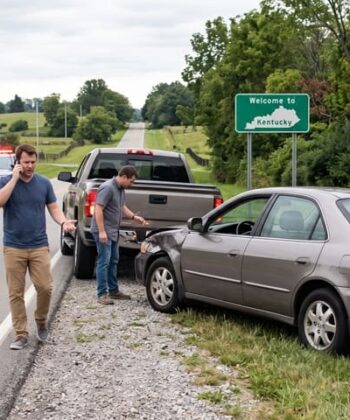

A minor fender bender can quickly turn into a major physical, financial, and legal headache if you overlook warning signs in the hours and days following the collision. It happens all the time: two drivers bump bumpers in a grocery store parking lot or get tapped at a red light. They swap insurance details, glance at a few cosmetic scratches, and drive off assuming that’s the end of it. But what feels like a harmless bump in the moment has a habit of quietly morphing into chronic physical pain, hidden mechanical failure, or a flat-out denied insurance claim down the road.
Knowing what to keep an eye on after an impact is the single best way to protect your health, your wallet, and your legal rights. Knowing where to turn for reliable help after a minor car accident can make all the difference when dealing with unexpected body pain, structural damage, or difficult insurance adjusters. Speaking with an experienced auto accident attorney can help you understand your options and avoid costly mistakes after a collision. Here is a breakdown of the quiet warning signs every driver ought to monitor after a low-speed crash.
Physical Warning Signs That Creep Up After Impact
Your body is remarkably good at hiding injury right after a crash. The immediate surge of adrenaline and endorphins acts like a natural painkiller, masking trauma even in low-speed collisions. But even at a mere 5 to 10 miles per hour, your body absorbs an enormous amount of kinetic force. That energy has to go somewhere, and it often goes straight into your soft tissues, spine, and joints.
Understanding car accident injury laws and liability can help you evaluate whether your post-collision medical treatment qualifies for insurance reimbursement. According to data from the Spine Research Institute of San Diego, nearly half of all chronic neck pain cases trace back to low-speed collisions, many of which left zero visible damage on the vehicles involved.
Stiff Necks and Delayed Back Aches
Whiplash is notorious for playing the long game. Stiffness, localized throbbing, a limited range of motion, and mid-to-upper back tightness rarely show up instantly. Instead, they tend to surface 12 to 48 hours later as micro-tears in the muscles and ligaments begin to inflame.
Lingering Headaches and Mental Fog
A dull, persistent headache after getting bumped from behind isn’t just a stress reaction. It’s frequently a red flag for a concussion or mild traumatic brain injury (mTBI) caused by your brain sloshing against the inside of your skull. If you notice light sensitivity, sudden dizziness, memory hiccups, or trouble focusing, get checked by a doctor right away.
Numbness, Pins and Needles, or Shooting Pain
Experiencing tingling or a loss of feeling in your shoulders, arms, hands, or legs usually points to nerve trouble. The violent jolt of a collision can easily bulge or herniate a spinal disc, pressing directly on nearby nerves. Brushing off these neurological cues can turn temporary swelling into permanent nerve damage.
Invisible Vehicle Damage That Threatens Your Road Safety
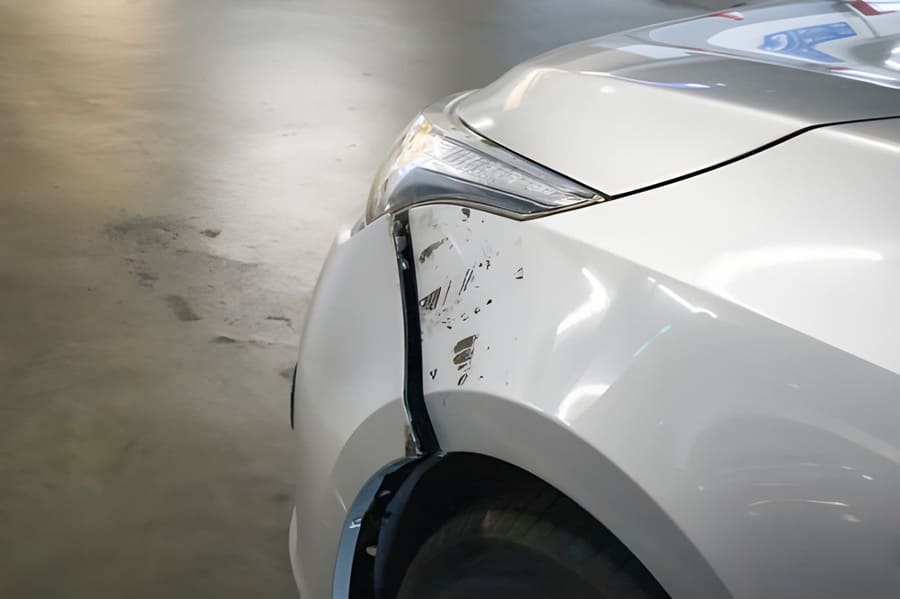
Today’s cars are designed to protect human occupants by sacrificing their own components through complex crumple zones and energy-absorbing materials. That means exterior plastic bumper covers often spring back into shape after an impact, leaving serious underlying structural and electronic damage completely hidden from view.
Keep a close ear and eye out for these mechanical red flags:
- Steering Pull and Highway Vibration: If your car drifts to one side on a straight road or the steering wheel shudders at higher speeds, the crash likely knocked your wheel alignment, tie rods, or suspension components out of whack.
- Transmission Hesitation or Slippage: Vehicles hit while stationary or moving slowly can sustain hidden drivetrain stress, particularly front-wheel and all-wheel drive models.
- Trunk and Door Misalignment: A trunk lid that suddenly catches, or door seams that look uneven, usually indicate that the vehicle’s unibody frame took the brunt of the hit and shifted.
- Safety Sensor Glitches: Modern driver-assist technology relies on sensitive radar and camera modules positioned right behind plastic bumper panels. Even a tiny tap can knock these out of calibration, compromising your automatic emergency braking or blind-spot monitoring.
“Don’t let an intact bumper cover fool you into thinking a car is fine. Today’s bumpers are basically cosmetic shells covering dense foam and intricate safety electronics. A faint $200 scuff on the outside can easily hide $3,000 worth of crushed sensors and bent frame rails underneath.”
Financial Trapdoors in Minor Fender Bender Claims
Insurance claims surrounding low-speed crashes are famously tricky. Adjusters know that most people assume minor damage equals minor injuries, and they routinely use that assumption to minimize settlements or deny legitimate claims altogether.
The Trap of “Handshake” Cash Deals
Agreeing to handle repairs off the record with cash is almost always a mistake. The driver at fault might seem earnest at the scene, but that goodwill usually vanishes the moment you send them a $2,500 body shop estimate that includes frame straightening.
Gaps in Medical Treatment Will Hurt Your Settlement
Insurance adjusters hyper-fixate on the timeline between the date of the crash and your first medical evaluation. If you wait two or three weeks to visit a clinic for worsening back pain, the adjuster will almost certainly claim your injury happened somewhere else.
When to Bring in an Attorney for a “Small” Accident
Reaching out to a legal professional is a smart move whenever you are dealing with lingering health issues, confusing liability arguments, or an insurance company playing hardball. You can also browse our internal local car accident attorney directory to connect with an experienced lawyer in your area.
It is worth consulting an attorney if you run into any of these roadblocks:
- Shifting Stories on Fault: The other driver admitted fault at the scene, but told their insurance carrier a completely different story later.
- Lowball Settlement Offers or Denials: The insurance company refuses to pay for necessary diagnostic imaging (like an MRI) or rejects mechanical repair bills.
- Multi-Car Chain Reactions: Crashes involving three or more vehicles often spark complex finger-pointing battles between multiple insurance companies.
- Ongoing Physical Therapy Needs: Your injuries require follow-up medical care, specialized treatment, or forced time off work.
Four Smart Steps to Take Immediately
Taking structured steps right after a bump helps guard your health, preserves crucial evidence, and protects your financial recovery from day one.
- Snap Comprehensive Photos at the Scene: Capture both vehicles from several distances and angles, including skid marks, road conditions, debris, and tire positions.
- Always Get an Official Police Report: Even for minor scraped paint, having an unbiased police record establishes a clear, neutral paper trail.
- Get Evaluated by a Doctor Within 24 to 48 Hours: Establish an official medical baseline right away, even if you feel mostly okay at the scene.
- Have a Certified Body Shop Inspect the Vehicle: Ask a technician to drop the bumper cover and check the energy absorber, crash sensors, and suspension alignment.