

Per the United States Census, the population is aging rapidly. In fact, by the year 2040, one in five people will be 65 years or older. The implication is that there will be severe strain on skilled nursing facilities and the workers caring for residents.
However, this is an issue that exists now. There are currently over 1.2 million residents in nursing homes, and another million people living in assisted living facilities. Over two million individuals depend on the quality of care they receive from trained healthcare workers. Unfortunately, many of these facilities are understaffed, and the people delivering healthcare services are undertrained in meeting the unique needs of the residents. The result is that they are at risk of experiencing neglect and abuse.
The Relationship of Understaffing and Undertraining
Residents of healthcare facilities must necessarily trust that the staff members will deliver quality care. The nursing home and assisted living staff are expected to complete training requirements designed to address the special needs of residents, many of whom are over 80 years old. Healthcare facilities are required to ensure they have a minimum staffing level and that workers providing direct resident care have completed training.
Understaffing and undertraining are interrelated issues. Many facilities struggle to hire enough staff to provide quality resident care. To hire workers, they overlook a lack of proper training or fail to do thorough background checks. They may hire unskilled caregivers and unqualified staff. In some cases, the facility may fail to provide legally required training hours and require proof of competency before the person is allowed to provide care. Residents are neglected, and in some cases, intentionally abused.
The other issue is that understaffing places an excessive workload on employees. The national nonprofit Long Term Care Community Coalition reports that almost nine out of every 10 nursing homes do not have expected staffing levels. On average, these facilities are understaffed by 24% daily, and their residents’ needs are not being met.
Lack of Care Leads to Declining Resident Health
A compassionate nursing home abuse lawyer handles a wide variety of cases concerning resident neglect and abuse. An attorney is necessary when family members see their loved one suffering, and the nursing home or other care facility fails to respond to complaints.
Resident care can suffer in many ways when undertrained workers staff a facility, a situation made even worse when there are not enough caregivers. Poor hygiene is a common issue. When undertrained caregivers with a heavy workload are in a rush to deliver services, it may lead to neglect, physical injuries, and emotional distress, directly affecting resident health and safety.
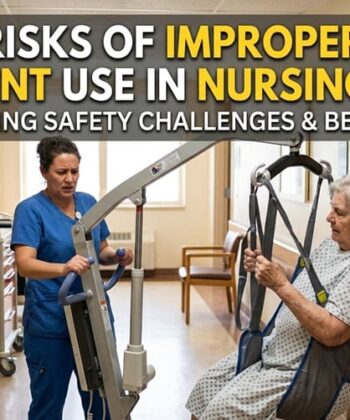
For example, a staff member who is not well-trained in helping residents with mobility restrictions may not know the safe ways to help residents get out of bed when using mechanical lifts or standing poles. There are cases where the aide fails to provide adequate supervision while residents are using mobility devices. The result is the resident falls and sustains an injury or worse. Caregivers need to be knowledgeable in the use of a wide variety of assistive devices, including those for eating and dressing, bowel and bladder emptying, prosthetic and orthotic devices and more.
Another common problem is undertrained staff failing to properly and regularly reposition bedridden residents. The residents develop painful bedsores or skin infections. In addition, an undertrained caregiver may leave a resident in soiled clothing, especially in an understaffed facility, and the resident may develop an infection, such as a Urinary Tract Infection. Well-trained caregivers know how to properly handle frail residents. An undertrained staff member can cause fractures and severe bruising.
Undertrained caregivers are also at risk of administering incorrect medication dosages or giving a resident the wrong medication. Inadequate training means some aides are not qualified to assist with feeding or hydration, resulting in unnecessary resident weight loss or dehydration. A staff member who has not received sufficient training may also fail to recognize changes in a resident’s health status, such as a stroke and therefore not report them immediately.
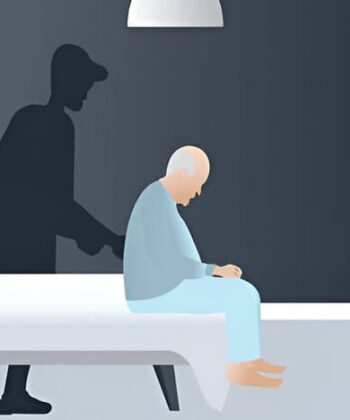
There are also cases of psychological abuse. Undertrained and overworked caregivers sometimes take out their frustrations and stress on residents. They are verbally abusive and aggressive, causing residents to experience anxiety and fear. Sadly, some residents experience sexually inappropriate behavior on the part of the staff member. Residents with dementia or who have difficulty communicating or understanding language or are otherwise cognitively impaired are particularly at risk.
Protecting the Rights of Residents
Federal standards on resident rights, care quality and staffing were established in the Nursing Home Reform Act. Residents have the right to get necessary medical care, to be free from neglect and abuse, to privacy and dignity and to voice grievances without fear of retaliation.
When a resident is unable or afraid to voice a grievance, a family member or legal representative becomes the advocate. Care facilities have a responsibility to ensure resident rights are protected. When those rights are violated, the facility can be held liable for any harm the resident experiences.
In too many situations, even family members or a resident’s representative are unable to get a harmful situation corrected. Resident neglect and abuse are common and may even be obvious, but getting the facility to recognize fault is nearly impossible. It becomes overwhelming, and in the meantime, the resident continues to suffer.
A nursing home abuse lawyer has experience in legal claims concerning caregiver negligence or abuse, understaffing, violation of resident rights and failure to provide necessary staff training. Some steps must be followed to ensure that nursing homes and other care facilities are held accountable. Sometimes a settlement is negotiated, but sometimes the case must be litigated in court.
Anyone who suspects a resident is being neglected or abused due to staff undertraining or understaffing should collect as much evidence as possible. Sharing notes, photos, complaints filed with the facility and medical records with the abuse lawyer can streamline the resolution process.
Everyone deserves to live with dignity, no matter where they live.