

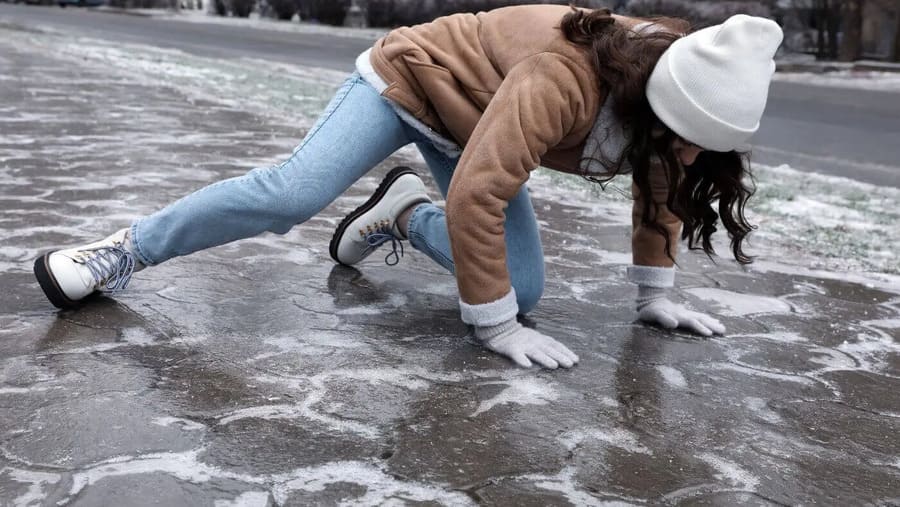
Did you encounter an injury from a slip and fall accident? If it happened due to snow or ice, you have the possibility to proceed with a lawsuit. You just need to go ahead and file a personal injury claim against the property owner. In this claim, you will need to prove negligence and damage. This is where a personal injury lawyer can help you with. Let’s explore how a personal injury attorney can help you with it.
The legal foundation
Slip and fall on snow or ice is a premises liability claim. The attorney must prove four elements: the owner owed a duty of care, breached that duty by not addressing ice or warning about it, the breach caused the fall, and the client suffered losses like medical bills or lost income. This is the basic negligence framework used to establish fault.
Building evidence early
Proof starts with preserving the scene. Attorneys urge clients to capture photos or video of the icy area, shoe tread, lighting, and any warning signs (or lack of them). They gather witness statements, incident reports, and immediate medical records to tie injuries to the fall. Quick action matters because snow and ice can change fast after plowing, salting, or sun exposure.
Notice and timing
Liability often hinges on “notice.” Actual notice means the owner knew about the hazard; constructive notice means the condition existed long enough that the owner should have known. Weather reports, service logs, and surveillance video help show how long ice was present and whether the owner had a reasonable chance to fix it. An attorney will align the timeline of snowfall, freezing temps, and the fall to prove opportunity to remedy.
Maintenance records and industry practice
A Gurnee personal injury attorney will request maintenance policies, snow removal contracts, salting schedules, and inspection logs. If a business had no plan, skipped scheduled salting, or piled snow so it melted and refroze into black ice, that supports breach. Expert witnesses can explain reasonable winter maintenance standards for similar properties and conditions.
Common defenses and rebuttals
Property owners often raise “storm-in-progress” (no duty to clear during an active storm) or argue natural accumulations weren’t their fault. Attorneys counter with timing (storm had ended), recurring hazards (known drainage or refreeze spots), or negligent creation (plowed piles causing runoff to freeze). Comparative negligence claims are met with evidence of poor lighting, invisible black ice, or lack of warnings.
Causation and medical linkage
Medical documentation connects the fall to specific injuries. The lawyer aligns incident timing, symptoms, imaging, and treatment plans to show the fall caused the harm, not a prior condition. Consistent records and treating provider notes strengthen causation and support pain, mobility limits, and work restrictions.
Damages and proof
Attorneys prove losses through bills, wage records, and expert opinions on future care. They document out-of-pocket costs, lost earning capacity, and non-economic harm. Where appropriate, life care planners or vocational experts quantify long-term impact, ensuring damages match the injury’s real-world effect.
Local rules and deadlines
In Illinois, statutes of limitations and municipal notice rules can be strict, so prompt action is key. A Gurnee personal injury attorney will track deadlines, preserve video before it’s overwritten, and send evidence preservation letters. Attention to local ordinances about snow removal timing can further support breach.
Final Words
Success comes from fast preservation, a precise weather and maintenance timeline, and clear proof of duty, breach, causation, and damages. By anticipating defenses and anchoring the case in records and expert analysis, a Gurnee personal injury attorney can turn a winter spill into a strong claim for fair compensation.