
By Erik Ahlander, Founder, Ahlander Injury Law | Reviewed for Legal Accuracy. Updated: September 2026
A rideshare collision in Las Vegas can turn an ordinary trip to a Strip resort, a convention, work, or Harry Reid International Airport into a stressful situation within seconds. Whether you were a passenger, driver, pedestrian, or occupant of another vehicle, the first day is often the best time to protect your safety, preserve important details, and begin addressing medical needs.
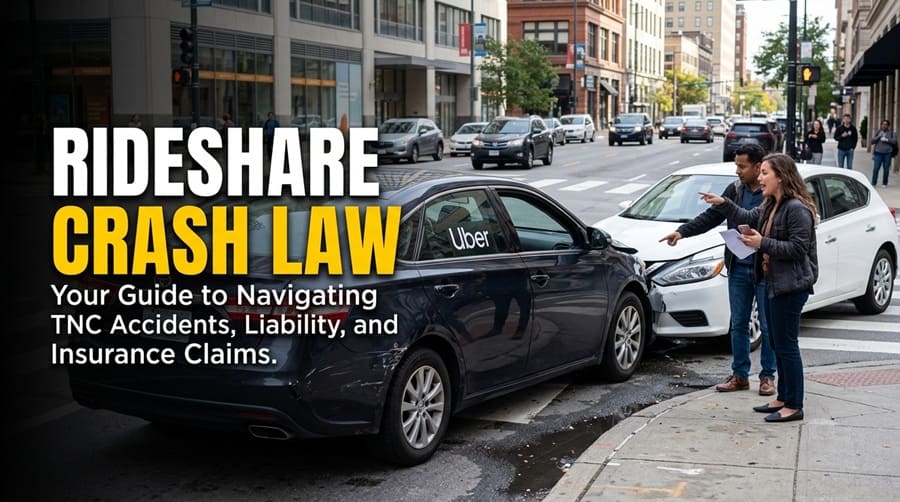
Nevada regulates rideshare — technically “transportation network company,” or TNC — insurance coverage through a tiered system where the required coverage amount depends on exactly what the driver’s app was doing at the moment of the crash. Because these claims can involve app records, several insurance policies, and fast-disappearing evidence, understanding that structure matters as much as anything you do at the scene.
Why the First 24 Hours Matter in Las Vegas
Las Vegas traffic creates circumstances that can make a crash harder to sort out later. Hotel pickup lanes, valet areas, airport approaches, crowded curbs, pedestrian crossings, late-night traffic, and visitors who do not know local streets can all affect how a collision happens. This general guide is not legal advice for any specific claim, but it can help you make calm, practical decisions while the details are fresh.
Quick 24-Hour Checklist
- Move to a safe place if it can be done safely.
- Call 911 when someone is injured, traffic is blocked, or the scene is dangerous.
- Get medical attention and follow the provider’s instructions.
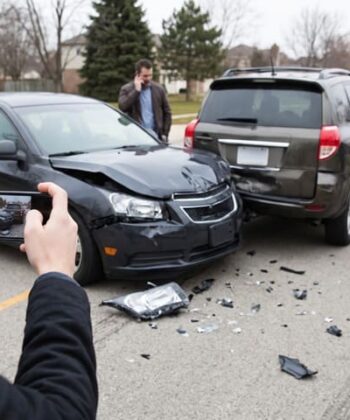
- Photograph vehicles, injuries, the roadway, and surrounding conditions.
- Save the rideshare receipt, route, driver information, and app messages.
- Collect witness contact information and police report details.
- Report the crash through the rideshare app.
- Keep medical, insurance, employment, and repair-related records together.
Get to Safety Before Discussing Fault
If the vehicle can be moved safely and doing so will not conflict with police instructions, get out of active traffic and away from immediate danger. Under NRS 484E.020, Nevada law requires drivers involved in a crash resulting in vehicle or property damage to stop and, where it’s safe to do so, move the vehicle out of the travel lane. Separately, NRS 484E.030 requires drivers to exchange identifying information and render reasonable assistance to anyone injured.
Call 911 if anyone may be hurt, vehicles are creating a hazard, or you need police assistance. Do not argue with the rideshare driver, another motorist, or witnesses. For example, after a collision near a resort pickup zone or airport rideshare area, moving away from an active curb lane may be safer than remaining beside the vehicles. Focus on exchanging information and following first-responder directions rather than deciding fault at the scene.
Get Medical Care, Even When Symptoms Seem Minor
Adrenaline and shock can make it difficult to recognize an injury immediately. Neck pain, headaches, back soreness, dizziness, numbness, bruising, and stiffness may appear or become more noticeable after the initial disruption has passed. Seek emergency care, urgent care, or an appointment with your regular medical provider when appropriate for your symptoms.
Follow treatment instructions and keep copies of visit summaries, prescriptions, bills, referrals, and records of time missed from work. Medical documentation can create a contemporaneous record of the care you received and the symptoms you reported after the crash. It does not determine fault by itself, but it can be important when insurance questions arise — particularly since Nevada’s personal injury claims are generally subject to a two-year filing deadline under NRS 11.190, and treatment records created close to the crash date carry more weight than records created after a long gap.
Document the Scene and the Ride
Evidence can disappear quickly in Las Vegas, especially when a crash happens near a busy casino entrance, garage, intersection, or event venue. If you can do so safely, take photographs and screenshots before vehicles are moved and app screens change.
- Photograph all vehicles, damage, license plates, debris, traffic signals, road signs, lighting, and visible injuries.
- Screenshot the trip receipt, route, pickup and drop-off points, trip time, and driver profile.
- Write down the rideshare driver’s name, vehicle description, and insurance information.
- Ask witnesses for names, phone numbers, and a brief description of what they saw.
- Note nearby hotel entrances, businesses, garages, or intersections that may have cameras.
- Save the police event number, officer information, and any report instructions you receive.
Report the Crash Through the App
Use the Uber or Lyft app to report the collision as soon as you can. Give an accurate, straightforward account based on what you know. Avoid guessing about who caused the crash, the severity of an injury, or what treatment you may need in the future. Save confirmation emails, chat messages, claim numbers, and copies of any material uploaded to the app.
Visitors should complete this step before boarding a flight home if possible. A saved trip record may be easier to access than trying to recreate the ride days later from another state.
Why the Driver’s App Status Can Matter
This is the detail that most people never learn until they need it: Nevada law sets different minimum insurance coverage depending on exactly what the rideshare driver’s app was doing at the moment of the crash, under NRS 690B.470 and NRS Chapter 706A:
- App off: The driver’s personal auto policy applies, and rideshare activity may not be covered at all if it wasn’t disclosed to that insurer.
- App on, waiting for a match: Minimum coverage of $50,000 per person / $100,000 per accident for bodily injury, and $25,000 for property damage — a materially lower tier than once a trip is matched.
- Matched and en route to pickup, or passenger in the vehicle: Minimum coverage jumps to $1,000,000 combined single limit, provided primarily by the TNC’s policy.
Preserve trip details rather than assuming a particular policy will automatically pay. The driver’s personal policy, available rideshare coverage, another driver’s insurance, and your own applicable coverage can all require review, and disputes over which “period” applied at the moment of impact are among the most commonly litigated issues in these cases — which is exactly why the trip receipt, GPS data, and app timestamps described above matter so much.
Las Vegas Transportation Issues to Keep in Mind
Designated pickup areas at hotels, casinos, entertainment venues, convention properties, and the airport can concentrate vehicles and pedestrians into tight spaces. Sudden lane changes, blocked driveways, valet traffic, and crowded curbs may become relevant to an investigation. If someone offers an off-app paid ride, avoid accepting it.
Protect Your Records After Leaving the Scene
Create one folder, digital or physical, for photographs, medical records, receipts, wage information, insurance correspondence, repair estimates, police documents, and rideshare communications. Write a short timeline of what happened while you remember the sequence, including where you were seated, the weather and lighting, and any statements you heard.
Be careful with recorded insurer statements, releases, and settlement documents until you understand their effect. Also, avoid posting detailed opinions, photos, or comments about the crash on social media. Do not delete texts, location history, videos, or app records connected to the ride.
Visitors and Local Residents Have Different Follow-Up Needs
If you are returning home, keep your hotel name, travel dates, flight details, local treatment records, and witness contacts. Continue medically appropriate care near home, and do not assume another state’s deadlines or claim rules apply to a Nevada crash — Nevada’s two-year filing deadline under NRS 11.190 governs the claim regardless of where you live.
Residents should also review their own auto insurance information, including any uninsured or underinsured motorist coverage. Track missed shifts, reduced hours, transportation costs, and household tasks you cannot perform. A rideshare collision may involve more than one potentially responsible party, so fault should be investigated rather than assumed.
How This Plays Out in Practice
The following is a composite illustration based on the type of coverage dispute that commonly arises in rideshare crashes. Identifying details have been altered to protect confidentiality.
A visitor was a passenger in a rideshare vehicle that collided with another car near a resort pickup lane. The rideshare driver’s app showed the trip as active, but the driver’s personal insurer initially argued the crash occurred before a formal “match” was confirmed — which would have limited available coverage to the lower Phase 1 tier instead of the $1,000,000 tier that applies once a passenger is in the vehicle. Because the passenger had screenshotted the trip receipt and pickup confirmation before leaving the scene, the timestamped records were clear enough to establish that the ride was already underway, and the higher coverage tier applied without extended dispute.
For people facing injury questions or complicated insurance issues like this, a rideshare accident attorney Las Vegas may provide useful guidance on which coverage period likely applies and what records are needed to support that position before an insurer has a chance to argue otherwise.
Common Mistakes to Avoid
- Waiting days to seek care despite ongoing symptoms.
- Forgetting to save the ride receipt and trip screen.
- Assuming the rideshare company will handle every insurance issue.
- Accepting a quick settlement before understanding the full impact of an injury.
- Leaving Las Vegas without a driver or witness details.
Frequently Asked Questions
What if the rideshare driver caused the crash? Available coverage may depend on the driver’s app status, the evidence, the injuries involved, and the relevant insurance policies — see the coverage tiers above.
What if another driver was responsible? The other driver’s insurance may be important, but a passenger or rideshare driver may also need to examine other available coverage, including uninsured/underinsured motorist coverage.
Should I speak with an attorney? A consultation may be useful when injuries are serious, fault is disputed, multiple policies may apply, or an insurer asks for a statement or release. Not every minor collision requires legal representation.
How long do I have to file a claim after a Nevada rideshare crash? Nevada’s general personal injury statute of limitations is two years from the date of the crash under NRS 11.190, though notice and claim-handling steps should begin well before that deadline.
Focus on Safety, Records, and Clear Next Steps
The first day after a Las Vegas rideshare crash can feel overwhelming, particularly when you are far from home. Put safety and medical care first. Then preserve the evidence, report the incident, and keep organized records. Understanding your general rights after any car accident — and how the claims and settlement process typically unfolds — can make the insurance and recovery decisions ahead easier to manage, whether the vehicle involved was a rideshare or not.
Disclaimer
This article is for general informational purposes only and does not constitute legal advice. Nevada insurance requirements, coverage tiers, and filing deadlines are subject to change and depend on the specific facts of a crash. Consult a licensed Nevada attorney to evaluate your situation.
Authorities & Sources
- NRS 690B.470 — Transportation network company insurance: minimum coverage requirements — Nevada Legislature
- NRS Chapter 706A — Transportation Network Companies — Nevada Legislature
- NRS 484E.020 & 484E.030 — Duty to stop, move vehicle, exchange information, and render aid — Nevada Legislature
- NRS 11.190 — Statute of limitations for personal injury actions — Nevada Legislature