

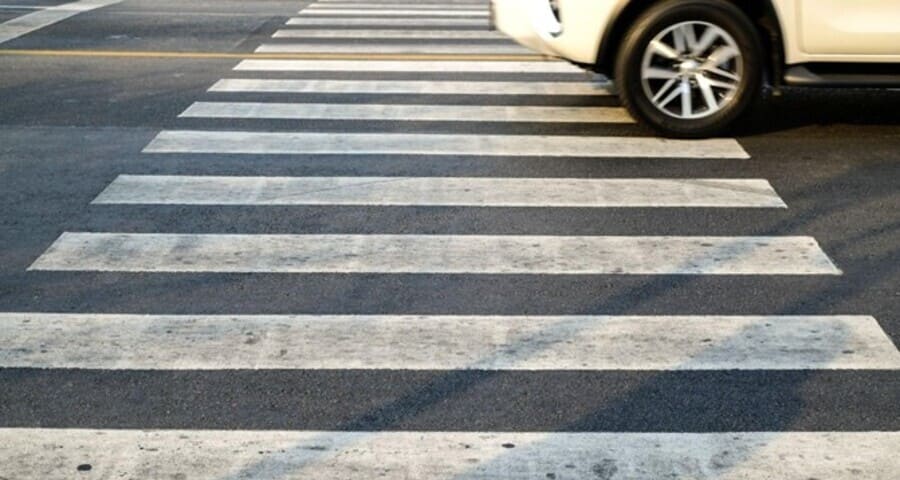
Walking should not be dangerous. Yet pedestrian accidents continue to happen on busy streets and quiet neighbourhood roads alike. In growing Georgia communities, more people are walking for exercise, commuting, or doing daily errands. At the same time, traffic has increased. This combination often leads to serious accidents.
Pedestrians have no protection against a moving vehicle. Even a low-speed crash can cause major injury. After an accident, one of the most important questions is who is legally responsible. Speaking with a pedestrian accident lawyer in Milton early can help victims understand their options, preserve evidence, and avoid mistakes that may weaken a claim under Georgia law. Understanding the common causes of pedestrian accidents and how liability works in Georgia can also help injured victims protect their rights.
Why Pedestrian Accidents Often Cause Severe Injuries
Unlike drivers, pedestrians are not shielded by seat belts, airbags, or steel frames. The human body absorbs the full impact of a collision. Common injuries include broken bones, head trauma, spinal injuries, internal bleeding, and long-term nerve damage.
Many victims face months of medical treatment and rehabilitation. Some injuries lead to permanent disability or reduced earning ability. Beyond physical harm, emotional distress is common, especially if the accident occurred suddenly or involved children.
Because injuries are often severe, determining fault and securing compensation becomes critical.
Most Common Causes of Pedestrian Accidents
Pedestrian accidents usually result from driver negligence. Some of the most frequent causes include:
Distracted Driving
Drivers who look at their phones, adjust navigation systems, or engage in other distractions may fail to notice someone in a crosswalk. A moment of inattention can lead to life-changing consequences.
Speeding
Higher speeds reduce reaction time and increase the force of impact. Speeding drivers may be unable to stop in time, especially in areas where pedestrians are expected.
Failure to Yield
Georgia law requires drivers to yield to pedestrians in marked crosswalks. Many pedestrian accidents occur when drivers fail to respect this rule, particularly during right or left turns at intersections.
Impaired Driving
Alcohol or drug use reduces awareness and reaction time. Impaired drivers are more likely to miss traffic signals or overlook pedestrians crossing legally.
Poor Visibility
Nighttime driving, bad weather, and poorly lit roads can contribute to accidents. Drivers still have a duty to adjust their speed and remain alert in low-visibility conditions.
Understanding Liability in Georgia
In Georgia, drivers owe a duty of care to others on the road, including pedestrians. If a driver fails to act responsibly and causes injury, that driver may be held liable for damages.
To prove liability, an injured pedestrian must show that the driver acted negligently and that this negligence directly caused the injuries. Negligence can include speeding, distraction, or failing to follow traffic laws.
Georgia follows a modified comparative negligence rule. This means that if a pedestrian is partly at fault, their compensation may be reduced. However, if the pedestrian is found to be 50 per cent or more responsible, they may be barred from recovering damages.
Understanding this rule is important because insurance companies often try to shift blame onto the pedestrian.
When a Pedestrian May Share Responsibility
There are situations where a pedestrian’s actions may be considered in determining fault. Examples include:
- Crossing outside a marked crosswalk
- Ignoring traffic signals
- Stepping suddenly into traffic
Even in these cases, responsibility is not automatic. Each accident must be carefully reviewed. The key question is whether the driver still had an opportunity to avoid the crash.
Because Georgia’s comparative negligence rule can affect compensation, proper investigation is essential.
Other Parties Who May Be Liable
While drivers are often responsible, they are not the only possible liable parties.
If a commercial vehicle is involved, the employer may share liability. Companies are responsible for ensuring their drivers operate vehicles safely.
In some cases, poor road design or malfunctioning traffic signals may contribute to an accident. Government entities could be involved if unsafe conditions played a role.
Rideshare drivers present another layer of complexity. Insurance coverage may depend on whether the driver was actively working at the time of the accident.
Each case requires careful review of all possible sources of responsibility.
Evidence Used to Prove Fault
Strong evidence can make a significant difference in pedestrian accident cases. Important forms of evidence include:
- Police reports
- Witness statements
- Traffic camera footage
- Surveillance video from nearby businesses
- Cell phone records
- Accident reconstruction analysis
- Medical records
Early collection of evidence is crucial. Over time, video footage may be deleted, and witnesses may forget details.
Insurance companies often conduct their own investigations. Having independent evidence helps protect injured victims from unfair blame.
Why Legal Guidance Matters
Insurance companies are businesses focused on limiting payouts. They may argue that the pedestrian was distracted or crossed improperly. They may also question the seriousness of injuries.
Working with a pedestrian accident lawyer in Milton can help injured victims understand their rights and respond effectively to insurance tactics. Legal guidance can assist in gathering evidence, evaluating damages, and negotiating for fair compensation.
In cases involving severe injuries or disputed fault, legal representation becomes even more important.
Final Thoughts
Pedestrian accidents can lead to devastating physical and financial consequences. Determining who is liable is not always simple, especially under Georgia’s comparative negligence rules.
Drivers have a responsibility to operate their vehicles safely and remain alert for pedestrians. When that duty is breached, injured victims may have the right to seek compensation for medical bills, lost wages, and pain and suffering.
If you or a loved one has been injured, consulting a knowledgeable pedestrian accident lawyer can help you better understand your legal options and take steps to protect your claim under Georgia law.