

By Gregory H. Moss, Founding Partner, Krohn & Moss, Ltd. Consumer Law Center® · Admitted in Illinois and Wisconsin (Illinois ARDC lawyer search) | Updated November 2026
By the time most San Diego drivers search for a lemon law attorney, they have already spent weeks without their car and made several trips to the dealer. That frustration makes it tempting to call the first firm in the search results and sign whatever arrives by email. A few avoidable mistakes at that stage can cost money, time or the claim itself.
This guide covers the mistakes that come up most often, organized around the questions to ask before you hire anyone.
| Before you sign, confirm | Why |
| The lawyer is licensed in California | Lemon law cases here are brought under California law in California courts |
| How fees work, in writing | Fee-shifting means many buyers pay nothing out of pocket, but terms vary |
| Which deadline applies to your vehicle | Deadlines differ depending on the manufacturer and the process used |
| Whether your vehicle qualifies at all | Used cars are now much more limited after a 2024 Supreme Court ruling |
Mistakes About Timing and Eligibility
1. Waiting too long
Claims against most manufacturers have long been subject to a four-year limitations period. But for manufacturers that opted into the newer procedures created by AB 1755 and SB 26, Code of Civil Procedure § 871.21 generally requires filing within one year after the express warranty expires, and no later than six years after original delivery, with some tolling. Because the rule depends on the manufacturer, find out early which one applies.
2. Assuming a used car automatically qualifies
Many older articles rely on Jensen v. BMW to say used cars with remaining factory warranty are covered. In Rodriguez v. FCA US, LLC (2024), the California Supreme Court held that a used car sold with leftover warranty generally isn’t a “new motor vehicle” for buyback purposes unless a new-car warranty was issued with that sale. A lawyer who doesn’t mention Rodriguez when you ask about a used car isn’t current on the law.
3. Assuming you need exactly four repair attempts
The 18-month/18,000-mile presumption in Civil Code § 1793.22 is a helpful benchmark, but it is not the only route. A serious safety defect may justify a claim after two attempts, and a defect that appears later can still qualify if the manufacturer had a reasonable number of chances to fix it under Civil Code § 1793.2.
Mistakes About Fees
4. Not getting the fee arrangement in writing
Under Civil Code § 1794(d), a buyer who prevails can recover reasonable attorney’s fees and costs from the manufacturer. That is why many lemon law firms charge clients nothing up front. Still, ask whether the lawyer will also take a percentage of your recovery, and make sure any contingency arrangement is in a written agreement that complies with Business and Professions Code § 6147.
5. Choosing on price alone
A lawyer who promises the lowest cost but has little California lemon law experience may accept an early offer that leaves money on the table. Compare experience and approach, not just fee terms.
Mistakes About Experience and Credentials
6. Not confirming a California license
Check the lawyer’s license and any public discipline on the State Bar of California’s attorney search. National firms may have lawyers licensed in several states; ask which California-licensed attorney will be responsible for your case.
7. Not asking about the specific manufacturer and defect
Experience with your manufacturer’s warranty terms, arbitration program and settlement practices matters, as does familiarity with the type of defect, whether transmission, electrical, EV battery or driver-assistance systems.
8. Not asking who will actually handle the case
Some high-volume practices assign cases to staff with limited attorney involvement. Ask who will review your repair orders, negotiate with the manufacturer and appear in court if needed.
9. Not asking about trial and arbitration experience
Most cases settle, but manufacturers evaluate offers partly on whether a lawyer is prepared to go further. Ask how many cases the lawyer has taken to trial or arbitration.
Mistakes About Process and Settlement
10. Overlooking the manufacturer’s arbitration program
Some manufacturers maintain dispute resolution programs certified by the state’s Arbitration Certification Program. These programs are free to consumers and a decision binds the manufacturer only if you accept it. If a manufacturer has a certified program, you generally must use it before you can rely on the Tanner Act presumption. A good lawyer will explain whether that step makes sense for you.
11. Not knowing which procedure applies
For manufacturers that opted into the AB 1755/SB 26 process, you must send a written demand at least 30 days before suing, and the manufacturer has 30 days to offer a repurchase or replacement, as explained on the Department of Consumer Affairs’ new procedures page. Your lawyer should know which process governs your claim.
12. Accepting the first offer without checking the math
A repurchase should include the price paid, collateral charges such as sales tax and registration, and incidental costs like towing and rental cars, minus a usage offset based on miles driven before the first repair attempt for the defect. Errors in the offset or missing charges can add up to thousands of dollars.
13. Signing a release without understanding it
Read what you’re giving up, whether you must return the vehicle, how loan payoffs are handled and when payment will arrive.
14. Arriving without records
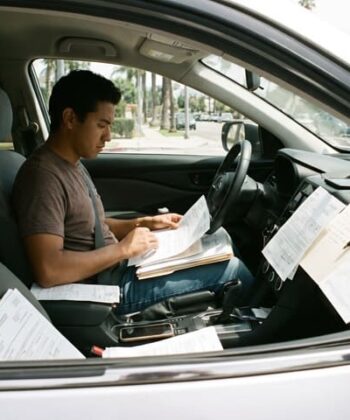
Repair orders, warranty documents, purchase or lease contracts, and records of days out of service are the core of every case. This checklist of lemon law records to keep is a useful starting point.
A Practical Shortlist
Before hiring, speak with more than one firm, ask the same questions of each, and compare the answers. For drivers in San Diego County, a local practice such as this San Diego attorney is one option to include in that comparison.
Frequently Asked Questions
Do I have to pay a lemon law attorney in California?
Often not out of pocket. Civil Code § 1794(d) allows a prevailing buyer to recover reasonable attorney’s fees and costs from the manufacturer, but confirm the written fee terms before signing.
How long do I have to file a lemon law claim in California?
It depends on the manufacturer. For opt-in manufacturers, generally one year after the warranty expires and no more than six years after delivery; for others, the traditional four-year period has generally applied.
Can a used car qualify under California lemon law?
Only in limited situations after Rodriguez v. FCA US (2024), generally when a new-car warranty was issued with the used-car sale.
Disclaimer
This article provides general information about California’s lemon law and is not legal advice. Reading it does not create an attorney-client relationship. Deadlines and eligibility depend on the manufacturer, the vehicle and the facts. Past results do not guarantee a similar outcome. Consult an attorney licensed in California about your situation.