

Table of Contents
- Why Injuries May Not Be Immediately Apparent
- Common Hidden Injuries
- Delayed Symptoms to Watch For
- Importance of Seeking Medical Attention
- Legal Implications of Delayed Injuries
- Preventive Measures and Early Detection
- Conclusion
Car accidents often leave an immediate mark. Broken glass, twisted metal, and visible wounds are just the tip of the iceberg. Yet, beneath the surface, many injuries develop gradually and remain concealed from immediate notice. Far too often, individuals walk away from a crash, unaware of the harm still lurking, only to feel the effects days later. If you find yourself in this situation, it is important to know that a Texas injury law firm can provide guidance tailored to delayed symptoms and legal protections.
The adrenaline rush that follows an accident often masks pain, leading many to mistakenly believe they are unharmed. Hidden injuries can go untreated and, if left unaddressed, might cause lasting health issues. Early detection and medical evaluation play a crucial role in recovery and legal proceedings.
Even minor collisions can cause underlying damage. Understanding the common types of hidden injuries and knowing what symptoms to watch for is essential for your health. This knowledge can help you act quickly, protect your well-being, and secure any compensation you deserve.
No matter how small or severe the crash, thoroughly monitoring your health is crucial in the days that follow.
Why Injuries May Not Be Immediately Apparent
The human body’s natural response to trauma often involves a surge of adrenaline and endorphins. These chemicals help suppress pain and can leave accident victims feeling temporarily invincible. After the shock wears off and hormone levels return to normal, pain and discomfort from injuries such as muscle strains, soft tissue injuries, or internal trauma can become noticeable. Ignoring these signals puts your long-term health at risk and may complicate treatment.
Common Hidden Injuries
Several injuries are notorious for their delayed symptoms:
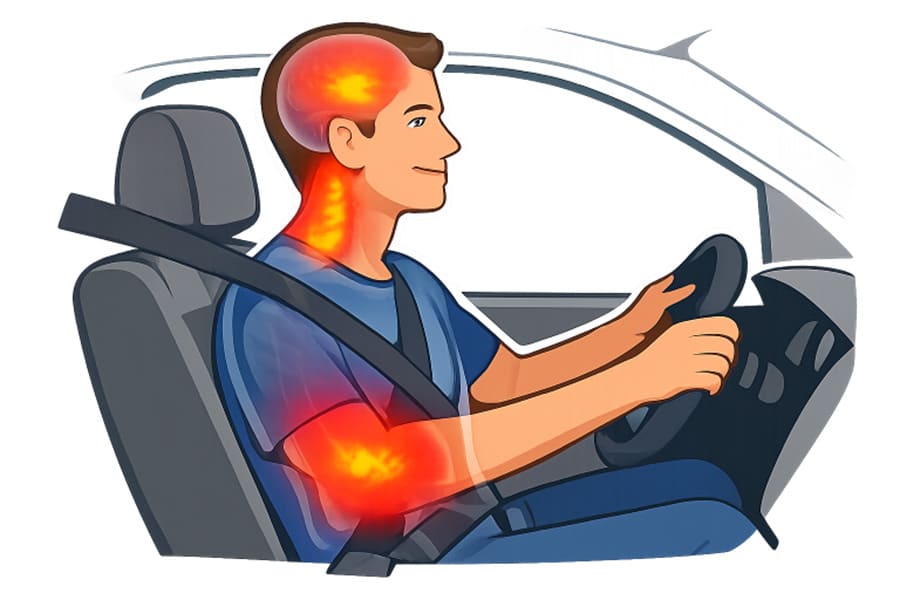
- Whiplash. Rapid neck movement during an accident can stretch and damage muscles and ligaments. Whiplash symptoms such as neck stiffness, headaches, and pain can take hours or days to appear.
- Concussions. Even a minor blow to the head can lead to a concussion. Symptoms may include persistent headaches, memory troubles, light sensitivity, or confusion, often developing gradually.
- Internal Bleeding. Damage to abdominal organs can go unnoticed until more severe symptoms—such as swelling, deep bruising, or dizziness—manifest. This type of injury can quickly become life-threatening if not promptly diagnosed.
- Soft Tissue Injuries. Sprains, strains, and deep muscle bruises often initially feel like soreness but can worsen and interfere with movement as inflammation sets in.
Delayed Symptoms to Watch For
It’s important to remain alert for symptoms that may crop up in the hours or days after a car accident. Common delayed symptoms include:
- Headaches or dizziness
- Neck or shoulder stiffness and pain
- Unexplained abdominal pain or swelling
- Numbness, tingling, or weakness in the arms or legs
- Lasting fatigue, mood changes, or sleep disturbances
If any of these symptoms appear, it is crucial to seek immediate medical attention. Unexplained symptoms could be an early warning sign of a more serious issue and should never be ignored. For more on symptom awareness and when to call for help, see Forbes Advisor’s guide to delayed symptoms after a car accident.
Importance of Seeking Medical Attention
Regardless of how you feel after an accident, a full medical evaluation is always necessary. Doctors are trained to detect injuries that are not visibly apparent. Early diagnosis is crucial not only for your recovery but also for accurate documentation. This medical record serves as evidence should legal action or insurance claims arise in the future.
Legal Implications of Delayed Injuries
Delayed symptoms significantly impact car accident claims. Insurance companies may argue that injuries not immediately reported were not caused by the accident. Getting evaluated and treated early provides concrete evidence that the injuries are directly related to the crash. Accurate documentation also protects your rights and potential compensation for medical bills, lost earnings, and pain and suffering.
Preventive Measures and Early Detection
To minimize the risks associated with hidden injuries after a car accident, consider the following steps:
- Schedule a thorough medical examination as soon as possible after the incident.
- Monitor your physical and emotional well-being closely in the following days and weeks.
- Keep a detailed record of new or worsening symptoms and save all documentation from medical visits.
- Contact a legal professional specializing in accident injuries if symptoms arise after your initial evaluation.
Conclusion
Hidden injuries after car accidents are common and can have lasting health and legal consequences if not addressed promptly. From whiplash and concussions to soft tissue injuries and internal bleeding, the effects of a crash do not always show themselves right away. Paying close attention to delayed symptoms and seeking prompt evaluation can make all the difference in safeguarding your recovery, health, and legal rights.