

So, you’ve been in a car accident in Nevada, and maybe you weren’t exactly following the rules – perhaps no insurance, or maybe no license. It’s a messy situation, for sure. You’re probably wondering, ‘can a driver without insurance still sue for personal injuries in Nevada?’ It’s a common question, and the answer isn’t a simple yes or no. Let’s break down what Nevada law says and what your options might be, even when things aren’t perfect.
Key Takeaways
- Nevada requires drivers to have minimum liability insurance, and penalties for driving without it can include fines and license suspension.
- Even if you don’t have insurance, you can still sue an at-fault driver for personal injuries in Nevada, but your own lack of insurance can complicate things.
- If the at-fault driver is uninsured or underinsured, you might pursue them directly, but collecting payment can be hard. Your own UM/UIM coverage could be an option.
- Driving without a license and insurance carries significant legal penalties, and being involved in an accident in this state makes everything much more complex.
- Hiring a lawyer is highly recommended in these situations to help understand your rights and deal with insurance companies who might try to take advantage of your situation.
Understanding Nevada’s Mandatory Insurance Laws
Nevada law is pretty clear on this: if you’re driving a vehicle, you need to have insurance. It’s not just a suggestion; it’s a requirement designed to protect everyone on the road. Think of it as a basic responsibility that comes with getting behind the wheel.
If you’ve been injured in an accident, consulting with Las Vegas personal injury attorneys can help you understand your rights and options, especially if insurance issues are involved.
Nevada’s Minimum Liability Coverage Requirements
So, what’s the least amount of coverage you need? Nevada sets specific minimums for liability insurance. This coverage is what helps pay for damages if you’re found to be at fault in an accident. The state requires:
- $25,000 for bodily injury or death to one person.
- $50,000 for bodily injury or death to more than one person in a single accident.
- $20,000 for property damage in a single accident.
These are the bare minimums, and honestly, they might not cover everything if a serious accident happens. Many people opt for higher coverage limits just to have a bit more peace of mind.
Penalties for Driving Without Insurance
Driving without insurance in Nevada isn’t just a minor inconvenience; it comes with real consequences. If you’re caught driving without the required coverage, you can face several penalties. These aren’t just small fines either. You could be looking at:
- Fines: These can range from $250 up to $1,000, depending on how long you’ve been driving without insurance.
- License and Registration Suspension: Your driver’s license and vehicle registration can be suspended until you can prove you have insurance.
- Reinstatement Fees: Getting your license and registration back often involves paying fees, which can go up to $750.
- SR-22 Requirement: You might have to file an SR-22 form, which is basically a certificate of financial responsibility. This tells the state you’re meeting the insurance requirements, but it often leads to higher insurance premiums for a few years.
It’s important to remember that even a brief lapse in coverage, like missing a single payment, can put you in violation of the law and subject you to these penalties.
Consequences of Insurance Lapses
An insurance lapse means your coverage has ended, usually because you stopped paying premiums or a policy expired without renewal. If your insurance lapses in Nevada, you can’t legally register a vehicle. Driving during this period is a violation of Nevada law. If an accident occurs while your insurance has lapsed, the consequences can be severe. The Nevada DMV can suspend the driver’s license of the vehicle owner, the driver, or both. If you’re at fault in an accident without insurance, you could be personally responsible for all the damages and injuries, which can lead to significant financial hardship and even lawsuits.
Can You Sue for Personal Injuries Without Insurance in Nevada?
So, you’ve been in a car accident in Nevada, and you don’t have insurance. Maybe you thought you could get away with it, or maybe things just got complicated. The big question on your mind is probably: can you still sue the person who caused the crash?
Your Right to Sue an At-Fault Driver
Yes, you can still sue an at-fault driver in Nevada even if you don’t have insurance. Nevada law doesn’t say you lose your right to seek compensation just because you weren’t carrying the required insurance yourself. If someone else caused the accident and your injuries, you have the right to hold them accountable for the damages they caused. This means you can pursue compensation for things like medical bills, lost wages, and pain and suffering.
However, it’s not quite as straightforward as it would be if you had insurance. You’ll still face penalties for driving without insurance, which can include fines and license suspension. The other driver’s insurance company might also try to use your lack of insurance against you, arguing that you were also negligent. It’s a tricky situation, and having a lawyer can really help sort through it.
Challenges When You Lack Insurance
Driving without insurance in Nevada is illegal, and there are consequences. You could face fines, and your license might be suspended. If you’re found at fault in an accident, you’re personally on the hook for all the damages. This can be financially devastating if the other party has significant injuries or property damage.
Even if you’re not at fault, not having insurance can complicate your claim. The other driver’s insurance company might try to minimize your damages or even deny your claim. They might argue that your lack of insurance contributed to the accident or made your injuries worse. It’s a tough spot to be in, and you’ll need to be prepared for a more challenging legal battle. If you’re involved in an accident with an uninsured or underinsured driver in Nevada, it’s important to take immediate steps to protect your claim. Seeking prompt medical attention is vital for your health and your case.
Potential Impact on Your Claim’s Value
Your lack of insurance can sometimes affect the value of your personal injury claim. While you can still sue, the other party’s insurance company might try to argue that your own negligence (driving without insurance) should reduce the amount they have to pay. They might also try to argue that you weren’t as careful as you should have been because you didn’t have insurance. It’s a bit of a legal gray area, and how it plays out can depend heavily on the specifics of your case and the skill of your legal representation. The goal is to prove the other driver’s fault and the extent of your damages, regardless of your insurance status.
When the At-Fault Driver is Uninsured or Underinsured
So, you’ve been in an accident, and it wasn’t your fault. That’s bad enough, right? But then you find out the person who caused it either has no insurance at all or not enough to cover the mess they made. Talk about a double whammy. It feels like you’re stuck, but you’re not entirely out of options.
Suing an Uninsured Driver Directly
If the driver who hit you has zero insurance, you can technically sue them directly. This means you’re going after their personal assets – whatever they own. The problem? Most people who drive without insurance also don’t have a lot of assets. It can be a long, expensive road to try and get money from someone who might not have any to give. You might win a judgment, but collecting on it can be another story entirely. It’s like trying to get blood from a stone sometimes.
Utilizing Your Own Uninsured/Underinsured Motorist Coverage
This is where your own insurance policy might actually save the day. Most policies offer something called Uninsured Motorist (UM) or Underinsured Motorist (UIM) coverage. If the other driver has no insurance, your UM coverage can step in to cover your damages, up to your policy limits. If they have insurance, but it’s not enough to cover your bills (say, they only have the state minimum and you have serious injuries), your UIM coverage can help bridge that gap. It’s a bit like having your own safety net. You pay for it, so you should use it when you need it.
- UM/UIM Coverage Basics:
- Uninsured Motorist (UM): Covers you when the at-fault driver has no insurance.
- Underinsured Motorist (UIM): Covers you when the at-fault driver’s insurance isn’t enough to pay for your damages.
- Medical Payments (MedPay): Some policies also include MedPay, which can help cover your medical bills regardless of fault.
The Difficulty of Collecting from Judgment-Proof Drivers
Sometimes, even if you win a lawsuit against an uninsured driver, they might be what’s called “judgment-proof.” This basically means they don’t have enough income or assets to actually pay the judgment against them. So, while you might have a legal victory on paper, you might not see any actual money. It’s a frustrating reality that many people face when dealing with drivers who don’t follow the rules.
Trying to collect from someone who has nothing is a tough situation. It often means the money you might have recovered through their insurance simply isn’t there, and pursuing them personally can be a dead end financially. This is why having your own UM/UIM coverage is so important.
It’s a tricky spot to be in, for sure. You’re already dealing with injuries and car repairs, and then you have to figure out how to get paid when the person responsible isn’t playing by the rules. That’s why understanding your own insurance policy and what protections you have is a really big deal before anything bad happens.
Navigating an Accident With No License or Insurance
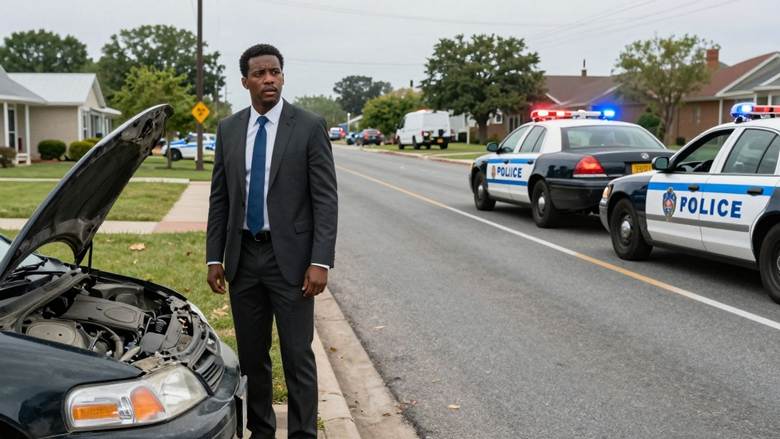
So, you’ve been in a car accident, and it turns out either you or the other driver (or maybe both of you!) didn’t have a valid license or insurance. Yikes. This situation can feel like a total mess, and honestly, it complicates things quite a bit. Nevada law is pretty clear about needing both a license and insurance to drive legally. When those are missing, especially after an accident, the legal and financial consequences can pile up fast.
Legal Ramifications for Driving Unlicensed and Uninsured
Driving without a license or insurance in Nevada isn’t just a minor inconvenience; it’s against the law, and the state takes it seriously. If you’re caught driving without a license, you could be looking at a misdemeanor charge. This can mean fines, and potentially even jail time, though that’s less common for a first offense. Your license could also be suspended, and getting it back often involves fees and proving you’re now compliant.
Driving without insurance carries its own set of penalties. You’ll likely face fines, and your vehicle registration could be suspended. If you’re a repeat offender or have been uninsured for a while, the fines can increase, and you might even need to file an SR-22 form, which makes your insurance more expensive for a few years. It’s a real headache.
Steps to Take After an Accident
If you find yourself in an accident and are dealing with the
The Importance of Legal Representation
Why an Attorney is Crucial in Complex Cases
Look, dealing with a car accident is already a headache. Now, imagine trying to sort it all out when you don’t have insurance, or the person who hit you doesn’t. It gets messy, fast. Having a lawyer in your corner can make a huge difference. They know the ins and outs of Nevada law, which, let’s be honest, most of us don’t. They can figure out who’s responsible and how to go after them, even when things seem impossible.
How Lawyers Navigate Insurance Company Tactics
Insurance companies? They’re not your friends in these situations. Their main goal is to pay out as little as possible, or sometimes, nothing at all. They might try to get you to agree to a quick settlement before you even know the full extent of your injuries or damages. A lawyer understands these tricks. They’ve seen them all before and know how to push back. They’ll handle all the calls and paperwork, so you don’t have to worry about saying the wrong thing.
Here’s what a lawyer can do for you:
- Talk to the insurance adjusters so you don’t have to.
- Gather all the evidence, like police reports and medical records.
- Figure out the real value of your claim, not just what the insurance company offers.
- Negotiate a fair settlement.
- Take your case to court if a settlement can’t be reached.
When you’re injured and dealing with legal and financial stress, the last thing you need is to feel like you’re fighting alone against a big insurance company. A lawyer levels the playing field.
Protecting Your Rights and Maximizing Compensation
Ultimately, you want to get back on your feet after an accident. That means getting the compensation you need for medical bills, lost wages, and pain and suffering. Without legal help, you might end up with much less than you deserve, or worse, nothing at all. A good attorney will fight to make sure your rights are protected and that you get the best possible outcome for your situation, especially if you were driving without insurance yourself. They help you focus on getting better while they handle the legal battle.
Protecting Yourself on Nevada Roads
Look, nobody plans on getting into a car accident. It’s a rotten surprise, no matter what. But being prepared can make a world of difference, especially here in Nevada where the rules about insurance are pretty strict. The best way to keep yourself out of a jam is to make sure you’re covered.
The Best Defense: Maintaining Continuous Coverage
Seriously, the number one thing you can do is keep your car insurance active. It’s not just about avoiding tickets or fines, though those are bad enough. It’s about having a safety net if the worst happens. Nevada law requires drivers to carry at least $25,000 in bodily injury coverage per person, $50,000 per accident, and $20,000 for property damage. Nevada’s minimum liability coverage requirements are there for a reason. Letting your policy lapse, even for a day, means you’re driving illegally. If you get pulled over, you could face fines, your registration could be suspended, and you might even have to file an SR-22 form later, which makes your insurance rates go way up. It’s just not worth the risk.
Exploring Affordable Insurance Options
Okay, I get it. Insurance can feel like a big expense. But there are ways to find coverage that fits your budget. Don’t just assume you can’t afford it. Shop around! Different companies offer different rates, and sometimes bundling your auto and home insurance can save you money. You can also look into policies with higher deductibles, which usually means lower monthly payments. Just make sure the deductible isn’t so high that you couldn’t afford to pay it if you needed to file a claim. It’s all about finding that balance.
Understanding Your Policy’s Limitations
Even with insurance, it’s important to know what your policy actually covers. Minimum coverage is the bare minimum, and if you’re in a serious accident, it might not be enough to cover all the damages. Think about adding Uninsured/Underinsured Motorist (UM/UIM) coverage. This is super important because it protects you if you’re hit by someone who doesn’t have insurance or doesn’t have enough. It’s a relatively inexpensive way to add a lot more protection. Also, check if you have medical payments coverage (MedPay), which can help with your medical bills regardless of who was at fault. Knowing your policy inside and out means you won’t be caught off guard when you need it most.
So, What’s the Bottom Line?
Look, driving without insurance in Nevada is a risky move, plain and simple. While the law might let you sue someone even if you’re uninsured after an accident, it’s not a walk in the park. You’ll likely face penalties yourself, and getting paid can be a whole other battle, especially if the other driver doesn’t have the money. It’s always best to have that insurance and your license in order. If you do find yourself in a tough spot after an accident, especially with no insurance involved, talking to a lawyer who knows Nevada’s rules is a really smart first step. They can help figure out your options and try to make things right.
Frequently Asked Questions
What happens if I’m in an accident in Nevada and don’t have insurance?
Even if you don’t have insurance, you can still sue the driver who caused the accident for your injuries and damages. However, you’ll likely face penalties from the state, like fines and possible license suspension, for driving without insurance. Also, not having insurance can sometimes make it harder to get the full amount you deserve.
Can I sue someone if they hit me and they don’t have insurance?
Yes, you can still sue a driver who caused an accident and doesn’t have insurance. The challenge is collecting money from them if they don’t have assets. You might also be able to make a claim on your own insurance if you have uninsured motorist coverage.
What are the penalties for driving without insurance in Nevada?
Driving without insurance in Nevada is against the law and can lead to fines, usually between $250 and $1,000, depending on how long you’ve been uninsured. Your car’s registration might be suspended, and you could face license suspension and fees to get it back. Your car could even be impounded.
If I’m at fault in an accident and don’t have insurance, what happens?
If you cause an accident and don’t have insurance, you are personally responsible for paying for all the other person’s damages. This means you’ll have to pay out of your own pocket, which could include medical bills, lost wages, and property damage. The other person could sue you and take your assets to get paid.
Does driving without a license affect my ability to sue after an accident?
While you can still sue for injuries if you were driving without a license and weren’t at fault, it can make things more complicated. You’ll still face legal trouble for driving without a license, and the other side might try to use this against you. It’s best to have a lawyer help you navigate these situations.
What should I do immediately after an accident if I don’t have insurance?
First, make sure everyone is safe and call the police. Even without insurance, try to get the other driver’s information. Document everything with photos. Seek medical attention right away, even if you feel okay. Then, contact a personal injury lawyer as soon as possible to understand your rights and options.