
By Martin I. Berger, Esq. — AV Preeminent Rated, Berger & Hicks, P.A., | Miami, FL
Last reviewed: September 2026
A motor vehicle accident can change your daily life in seconds. A Miami motor vehicle accident lawyer can help an injured person understand the claims process, investigate what happened, deal with insurance companies, and seek compensation for losses connected to a crash.
Miami, Florida, has busy streets, major highways, crowded intersections, and a mix of cars, trucks, motorcycles, bicycles, and pedestrians. Heavy traffic can create more opportunities for dangerous driving. When a crash happens, knowing what to do next can help protect both your health and your legal rights.
Why Motor Vehicle Accidents Happen in Miami
Motor vehicle accidents can happen because of speeding, distracted driving, unsafe lane changes, tailgating, failure to yield, impaired driving, or ignoring traffic signals. Some crashes also involve poor visibility, road conditions, vehicle problems, or several drivers making mistakes at the same time.
Distracted driving remains a serious problem across the United States. According to the National Highway Traffic Safety Administration, thousands of people are killed and hundreds of thousands are injured in distracted-driving crashes. In a busy city such as Miami, a driver who looks away from traffic to send a message or adjust a device may not have enough time to react to a sudden hazard.
What Should You Do After a Miami Car Accident
Safety should come first after a collision. If possible, move away from traffic, check for injuries, and contact emergency services when medical assistance is needed. Drivers should exchange contact and insurance information and avoid making statements that guess about who caused the crash before all the facts are known. In Florida, getting evaluated within 14 days of the crash matters for more than health reasons: under Fla. Stat. § 627.736, PIP benefits are only available if initial treatment is received within that 14-day window — waiting longer can mean forfeiting coverage entirely.
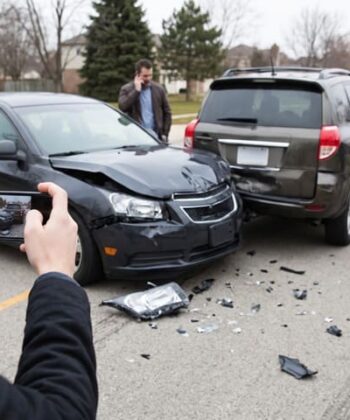
It is also useful to document the scene when it is safe. Photos can show vehicle damage, road conditions, traffic signs, nearby vehicles, and visible injuries. Keep medical records, bills, repair estimates, wage information, witness details, and insurance correspondence. These records can help create a clearer picture of the accident and its financial impact.
How Is Fault Determined After a Crash
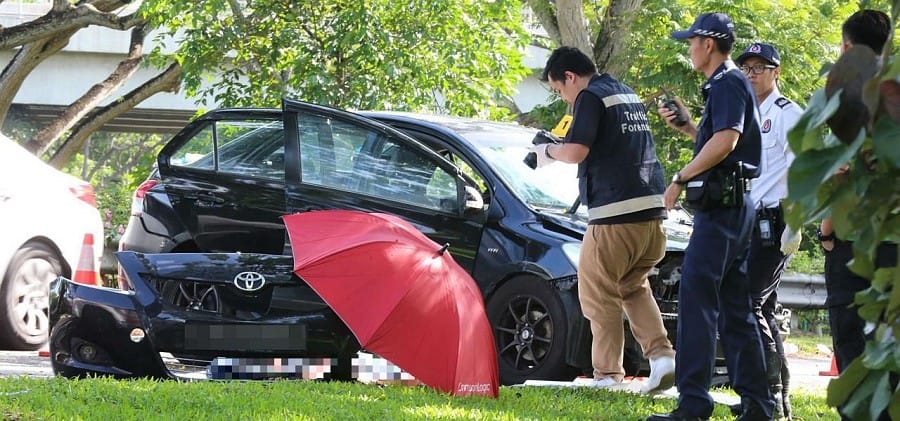
Determining fault requires more than looking at the damaged vehicles. Evidence such as the police report, photographs, witness statements, traffic camera footage, medical records, and vehicle damage may help show how the collision occurred. In some cases, accident reconstruction evidence may also be useful.
A lawyer can compare different accounts of the crash and look for inconsistencies. For example, one driver may claim that another vehicle suddenly changed lanes, while a witness or video recording may tell a different story. Reviewing the evidence carefully can help establish what happened and who may be responsible.
What Evidence Can Support a Motor Vehicle Accident Claim
Evidence can become harder to obtain as time passes. A damaged vehicle may be repaired, traffic footage may no longer be available, and witnesses may become difficult to contact. Taking photographs and saving important records soon after an accident can therefore be valuable.
Other evidence may include medical documentation, employment records, vehicle repair records, insurance communications, photographs, and information from available electronic systems. A lawyer can help identify which evidence matters most and organize it into a claim that clearly connects the accident to the injuries and losses.
What Compensation May Be Available
The financial effects of a motor vehicle accident can extend well beyond vehicle repairs. An injured person may have emergency room bills, doctor visits, prescription expenses, physical therapy costs, and other medical expenses. Serious injuries can also require ongoing treatment or changes to everyday activities.
Depending on the circumstances and applicable Florida law, a claim may also involve lost wages, reduced earning capacity, pain and suffering, and other losses. The amount of compensation is different for every case. It depends on factors such as the nature of the injuries, medical treatment, financial losses, available insurance coverage, and the evidence supporting the claim.
Florida’s No-Fault Rule and the Permanent Injury Threshold
Florida is a no-fault insurance state. Under Fla. Stat. § 627.736, every registered vehicle must carry at least $10,000 in Personal Injury Protection (PIP) coverage, which pays 80% of reasonable medical expenses and 60% of lost wages after a crash — regardless of who was at fault. PIP pays first, before any claim against the other driver.
That structure matters for the “pain and suffering” losses mentioned above, because Florida law doesn’t make them automatically available. Under Fla. Stat. § 627.737(2), a person can only pursue pain, suffering, mental anguish, and inconvenience damages against the at-fault driver if the injury involves a significant and permanent loss of an important bodily function, a permanent injury within a reasonable degree of medical probability, significant and permanent scarring or disfigurement, or death. An injury that resolves without meeting one of these categories is generally limited to what PIP and other insurance coverage pay, no matter how disruptive the recovery was at the time.
How Can Insurance Affect an Accident Claim
Insurance companies investigate accidents to determine whether a claim is covered and how much may be payable. An adjuster may ask questions, request medical records, review the accident report, or present a settlement offer. An injured person should understand what a settlement covers before agreeing to it.
A quick settlement may not always reflect the full impact of an injury, especially when treatment is still underway. Future medical needs and lost income may not be clear immediately after a crash. Legal guidance can help an injured person review the available evidence and understand the potential consequences of accepting an offer.
The MRI That Came After the First Offer
The following is a composite illustration based on the type of matter Berger & Hicks commonly encounters. Identifying details have been altered to protect confidentiality.
A driver was rear-ended at a red light on US-1 and, feeling only mild soreness afterward, accepted the at-fault driver’s insurer’s early offer to cover her ER visit and a week of physical therapy — an amount her PIP coverage was on track to absorb on its own. When the soreness didn’t resolve, an MRI months later revealed a herniated disc requiring injections and, eventually, a referral to a spine specialist. That finding mattered beyond the treatment itself: a permanent injury of that kind is what allows a claim to move past PIP’s limits under Fla. Stat. § 627.737(2) and reach the at-fault driver’s insurer directly, including for pain and suffering. Because she had not yet signed a release when the additional treatment surfaced, her attorney was able to press for a renegotiation based on her full medical picture rather than how the injury looked in the first two weeks. The case ultimately settled well above the insurer’s original number once her total treatment and its effect on her ability to work were documented and presented. It’s a common pattern: the earliest offer is often built on the earliest, incomplete version of the injury.
Why Does Early Legal Guidance Matter
Important evidence can disappear, and legal deadlines apply to accident claims. For most negligence-based claims in Florida, including car accidents, the statute of limitations is two years from the date of the crash under Fla. Stat. § 95.11(5)(a) — a deadline that was cut from four years as part of Florida’s 2023 tort reform, so it applies to any crash that happened on or after March 24, 2023. Speaking with a Miami motor vehicle accident lawyer early can help an injured person understand the process before making statements, signing documents, or accepting an insurance settlement that could affect the claim.
Early preparation can also make it easier to organize medical records, accident evidence, financial losses, and communications with insurers. Instead of trying to handle every issue while recovering from an injury, an accident victim can receive guidance on the legal and practical steps involved in pursuing a claim.
What If More Than One Person Is Responsible
Not every crash is caused by one obvious mistake. Two or more drivers may have contributed to an accident, or other circumstances may need to be examined. For example, one driver may have been speeding while another failed to yield. Road conditions or a vehicle problem could also become part of the investigation.
Florida uses a modified comparative negligence system: under Fla. Stat. § 768.81(6), a person found more than 50% at fault for their own injuries cannot recover any damages, while someone found 50% or less at fault has their recovery reduced by their share of fault. That threshold, in effect since March 24, 2023, is exactly why a detailed review of the facts matters when responsibility is disputed — a few percentage points of assigned fault can be the difference between a reduced recovery and none at all. A lawyer can examine available evidence, identify possible sources of responsibility, and explain how this standard applies to a specific case, which can be especially important when another driver or insurance company challenges an injured person’s version of events.
When Should You Talk to a Lawyer
A legal consultation may be worthwhile when a crash involves serious injuries, substantial property damage, disputed fault, lost income, or complicated insurance issues. Even when a person is unsure whether they have a claim, discussing the circumstances with a qualified attorney can provide a clearer understanding of the available options.
Motor vehicle accident claims can involve medical treatment, insurance coverage, evidence, deadlines, and questions about responsibility. For Miami residents dealing with the aftermath of a serious crash, getting informed early can make the process easier to navigate. A Florida attorney can review the circumstances of the accident and explain the next steps based on the facts of the individual case.
Authorities & Sources
- Fla. Stat. § 95.11(5)(a) — Statute of limitations, negligence actions
- Fla. Stat. § 768.81(6) — Comparative fault; 51% bar
- Fla. Stat. § 627.736 — Personal Injury Protection (PIP) benefits
- Fla. Stat. § 627.737 — Tort exemption; permanent injury threshold
- National Highway Traffic Safety Administration — Distracted Driving