
When you step onto a public transit vehicle in the Twin Cities, you expect a smooth ride to your destination. Partnering with an experienced Minneapolis bus accident lawyer is the most reliable way to protect your rights if that journey takes an unexpected turn.
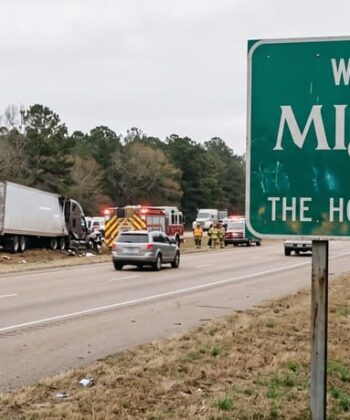
Minnesota roadways are filled with large vehicles every single day. From regional transit routes to school transport vehicles and private charter coaches, these heavy vehicles travel through highly populated areas. The sheer size of these vehicles means that when a collision happens, the forces involved create significant property destruction and physical trauma.
Understanding the unique legal landscape of Hennepin County is vital for any crash victim. Public transportation systems operate under specific rules that differ from standard car crashes. Knowing how to protect your health and your legal options can make a massive difference in your recovery.
Navigating the Streets of the Twin Cities
Minneapolis is a major Midwestern hub with a complex network of roads, highways, and transit routes. Major roadways like Interstate 35W, Interstate 94, and Highway 55 see high volumes of traffic every hour. The downtown core features busy corridors such as Hennepin Avenue and Nicollet Mall, where large vehicles must share tight spaces with passenger cars, delivery trucks, cyclists, and thousands of pedestrians navigating the urban center.
The local climate adds another layer of difficulty to these urban roads. Severe winter weather brings heavy snow, black ice, and freezing rain to the region. Driving a large commercial vehicle through these conditions requires immense skill and specialized safety training. When operators fail to adjust their speed for icy conditions, the risk of a major collision increases dramatically on regional routes managed by systems like Metro Transit.
Beyond regional transit lines, the area is home to a massive network of school buses serving local districts. Private charter vehicles also frequent the stadium districts, theater venues, and convention centers. With so many large vehicles moving through changing weather and crowded street designs, incidents on the road require a clear understanding of regional traffic dynamics.
Why Collisions Involving Large Transit Vehicles Are Different
A typical collision between two passenger cars is usually a straightforward insurance matter. When a massive transit vehicle is involved, the entire situation becomes much more complicated. These vehicles can weigh thirty times more than a standard sedan, which means the physics of the impact are incredibly severe.
Passengers inside these large vehicles are often traveling without seatbelts. Many routes allow passengers to stand in the aisles during peak transit hours. A sudden stop or a sideways impact can send people crashing into hard metal poles, plastic seats, and glass windows. This results in severe injuries even at relatively low speeds.
The legal process for recovering damages is also entirely unique. If the vehicle is operated by a government entity, specific sovereign immunity rules apply. Government agencies are protected by strict notice deadlines that are much shorter than standard personal injury statutes of limitations. Missing these early filing windows can completely eliminate your right to seek financial recovery.
Identifying Who Is Actually at Fault
Determining liability after a crash on a local roadway requires a deep investigation. Multiple independent parties might share responsibility for a single incident. Sorting out these entities is the first step in building a successful claim for medical costs and lost earnings.
The vehicle operator is often the first person scrutinized after an accident. Driver fatigue, distracted driving, and driving under the influence are serious issues that put everyone on the road in danger. If an operator makes a reckless decision or violates basic traffic laws, their actions form the core of a negligence claim.
The organization managing the fleet also bears significant responsibility. Transport companies must carefully screen new employees, conduct background checks, and provide ongoing safety training. If a company hires an unqualified driver or pushes their staff to work past legal hourly limits established by federal safety regulators, the organization can be held legally accountable for negligent hiring and supervision practices.
Mechanical upkeep is another critical factor. Large commercial vehicles require regular inspections and repairs to remain roadworthy. Brakes, steering components, tires, and lighting systems must be checked constantly according to commercial vehicle regulations enforced by the Minnesota Department of Transportation. When a fleet manager skips routine maintenance to save money, a sudden mechanical failure can cause a catastrophic loss of control on the highway.
In some instances, outside parties cause the chain reaction. Parts manufacturers can be held liable if a defective component fails under normal use. Other motorists on the road might cut off a large vehicle, forcing the operator to swerve or brake suddenly. A thorough legal review looks at every angle to identify every available source of insurance coverage.
Critical Steps to Take Immediately After a Crash
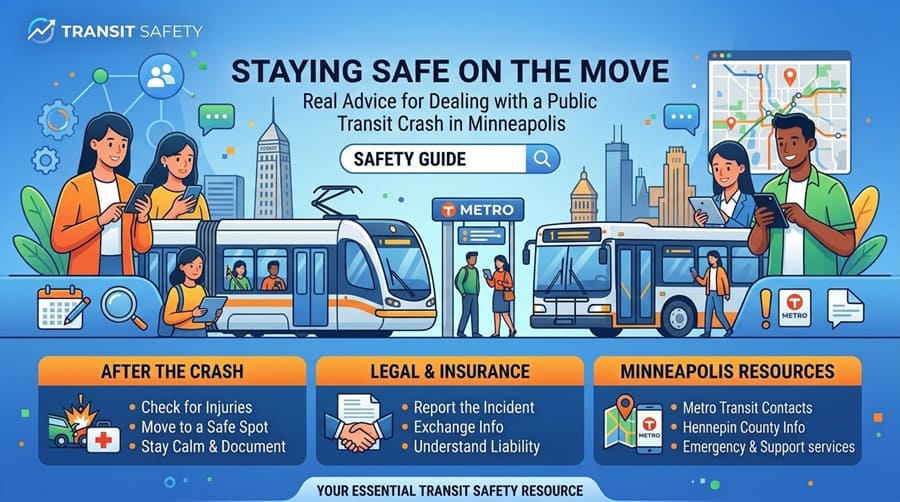
The choices you make in the hours and days following an incident will heavily impact your physical health and your potential legal case. Knowing what to do helps you maintain control during a stressful situation.
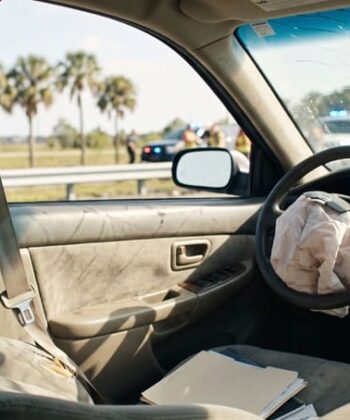
Your absolute highest priority must always be medical attention. Some serious injuries, like internal bleeding or brain trauma, might not show symptoms immediately because of adrenaline. Getting evaluated by emergency medical staff ensures your injuries are documented properly right from the start.
If you are physically able to do so safely, collect as much evidence at the scene as possible. Take clear photographs of the vehicle damage, the positions of all cars involved, visible road marks, and relevant traffic signals. Gathering this visual evidence before the scene is cleared is incredibly valuable for future accident reconstruction efforts.
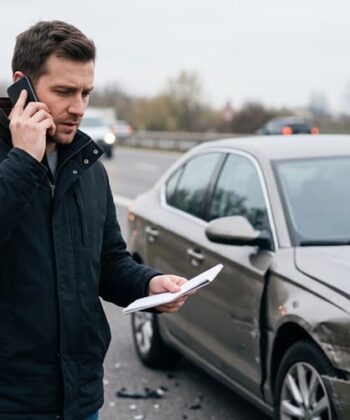
Exchange information with everyone involved in the incident. Write down the names, phone numbers, and insurance details of all drivers. Do not forget to talk to fellow passengers and bystanders who witnessed the collision. Their independent statements can help verify your version of events when insurance companies attempt to dispute the facts.
Avoid making official statements to insurance adjusters until you have consulted a professional. Insurance representatives often look for ways to minimize payouts by using your early statements against you. Keep your conversations brief, stick strictly to the objective facts, and never admit fault or sign settlement offers without a careful review.
Seeking Fair Financial Recovery for Your Losses
A serious accident can disrupt your financial stability in a matter of days. A comprehensive legal claim aims to restore your financial health by pursuing compensation for every single loss you have experienced.
Medical expenses often make up the largest portion of a claim. This includes immediate ambulance bills, emergency room charges, surgical fees, and hospital stays. It must also account for future medical needs, such as physical therapy, specialized prescription medications, and long-term rehabilitation care.
Lost wages are also recoverable if your injuries force you to miss work. If your physical limitations prevent you from returning to your previous profession, you can seek compensation for your diminished earning capacity. This ensures your family is protected against the long-term loss of financial support.
Non-economic damages address the human cost of a crash. This category covers physical pain, emotional distress, anxiety, and the loss of enjoyment of life. While these losses do not come with a simple receipt, they are a major part of the overall harm you have suffered and deserve to be fully recognized. For a broader look at how commercial transport incidents occur nationwide, you can review public data provided by the Federal Motor Carrier Safety Administration.
Contact a Dedicated Advocate for a Free Consultation
Dealing with medical recovery while fighting insurance companies is an overwhelming experience. You do not have to handle the complex legal system on your own.
Reaching out to a local professional gives you the space to focus entirely on healing. An experienced team will handle the investigation, manage the paperwork, and fight for the full financial recovery you deserve. Contact an office today to schedule a confidential, no-obligation consultation to discuss your options.