By Paul Bucci, Partner, Laffey Bucci D’Andrea Reich & Ryan · Philadelphia, Pennsylvania | Last reviewed: October 2026
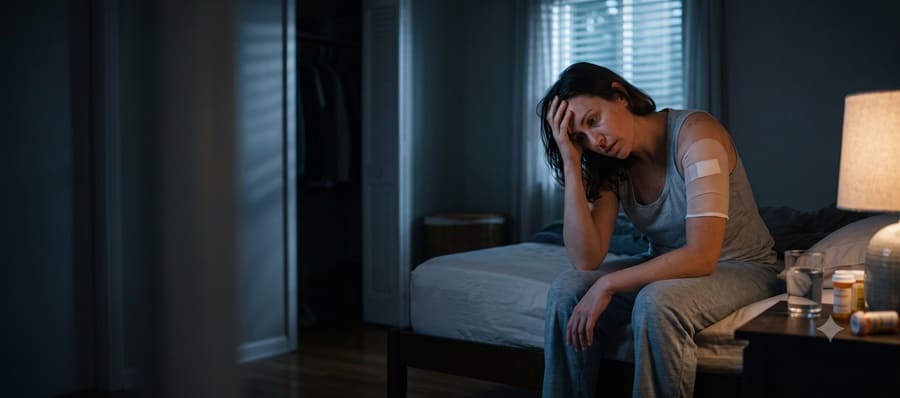
People recovering from a serious crash, fall, or workplace accident often expect the pain and the physical therapy. Fewer expect the nights. Weeks after the injury, many are still lying awake at 3 a.m., waking every time they shift position, or sleeping half the day and feeling no better for it.
This is common, and there is research behind it. A meta-analysis of 21 studies published in Sleep Medicine found that about half of people with a traumatic brain injury experience some form of sleep disturbance, and roughly a quarter have a diagnosable sleep disorder such as insomnia, excessive sleepiness, or sleep apnea. Sleep problems after other serious injuries are common too, driven by pain, stress, medication, and disrupted routines. They also matter beyond the bedroom, both for recovery and for how the full impact of an injury is documented if someone else caused it.
The Main Reasons Sleep Changes After an Injury
Pain that has nothing to compete with
During the day, conversation, television, and activity pull attention away from pain. At night, there is little to distract from it. A fractured bone, injured shoulder, or damaged back can also make it hard to find a position you can hold for hours, so you may fall asleep only to wake when you roll over.
Medications
Pain medications, muscle relaxants, and other drugs used during recovery can cause daytime drowsiness, interfere with deep sleep, or shift when you feel tired. Some people sleep better on a medication and worse when it is tapered. Do not stop or change a prescribed medication on your own because you suspect it is affecting your sleep; raise it with the prescriber.
Brain injury, including concussion
A concussion is a form of mild traumatic brain injury, and the CDC lists sleep changes among its common symptoms: sleeping more than usual, sleeping less, or having trouble falling asleep. The CDC also notes that some symptoms, including trouble sleeping, may not show up until a week or two after the injury. More severe brain injuries can disrupt the systems that regulate the sleep-wake cycle more significantly. Headaches and sensitivity to light or noise can make things worse. Many people describe being physically exhausted while their mind refuses to switch off.
The emotional aftermath
A violent collision, a fall from height, or a dog attack can replay in your mind when the house goes quiet. Anxiety tends to rise at bedtime, when there are fewer distractions, and nightmares can make you dread falling asleep. According to the National Institute of Mental Health, trouble sleeping is a common reaction to trauma, and when symptoms persist for an extended period, post-traumatic stress disorder may be the cause. Sleep problems are often among the most stubborn parts of PTSD.
A disrupted routine
Before the injury, you may have worked a full day and exercised in the evening. Afterward, you may spend most of your time at home, nap during the day, and eat at irregular times. Those changes weaken the cues your body uses to keep a regular sleep schedule, even when the physical injury itself is healing.
How Poor Sleep Slows Recovery
Sleep is when much of the body’s repair work happens, and chronic poor sleep shows up in several ways during recovery:
- Physical fatigue. Ordinary tasks such as getting dressed or preparing a meal take more effort than they should.
- Concentration and memory. Following conversations, managing paperwork, or remembering appointments becomes harder. After a brain injury, it can be difficult to tell whether cognitive problems come from the injury, the lack of sleep, or both.
- Mood. Irritability, frustration with the pace of recovery, and strain on relationships with the people helping you are common.
- Pain sensitivity. Pain disrupts sleep, and poor sleep can make pain feel worse, creating a cycle that is hard to break without treatment.
What to Tell Your Doctor
Do not assume poor sleep is just part of recovery. It is a symptom worth reporting, and specific details help your provider work out the cause:
- When the problem started relative to the injury
- How long it takes to fall asleep and how often you wake
- Whether pain, nightmares, breathing problems, or racing thoughts wake you
- How much you nap and how alert you feel during the day
- Any medications started, stopped, or changed
A short sleep diary kept for a week or two can make these details much clearer than memory alone. Depending on what is driving the problem, treatment may involve pain management, medication changes, therapy for trauma-related symptoms, or referral to a sleep specialist. If symptoms continue, keep following up rather than waiting it out.
Why Sleep Problems Matter in a Personal Injury Claim
When someone else’s negligence caused the injury, the effects on daily life are part of what the law calls non-economic damages: pain and suffering, emotional distress, and loss of the ability to enjoy ordinary activities. Persistent insomnia, nightmares, and daytime exhaustion are real losses, but they are less visible than a fracture on an X-ray. Medical records that describe them, ideally made at the time by treating providers, are usually the strongest evidence that the injury’s consequences went beyond the original physical damage.
Gaps in reporting can work against an injured person. If sleep problems never appear in the medical records, an insurer may argue they were minor or unrelated. That is one more reason to describe them to your doctor at each visit.
Pennsylvania has two rules that are especially relevant. First, most personal injury lawsuits must be filed within two years of the injury under 42 Pa.C.S. § 5524. Second, people injured in car crashes who chose the “limited tort” option on their auto policy can generally recover pain and suffering only if they suffered a “serious injury,” defined in 75 Pa.C.S. § 1702 as death, serious impairment of a body function, or permanent serious disfigurement. There are exceptions under § 1705, for example when the at-fault driver was convicted of DUI or was driving a vehicle registered out of state. In Washington v. Baxter (1998), the Pennsylvania Supreme Court held that whether an injury is serious is usually a question for the jury, and well-documented ongoing symptoms can be part of that picture.
Readers who want to know more about the kinds of accidents that most often lead to brain injuries can see this overview of common causes of traumatic brain injury.
A Brain Injury Case From a Construction Site
Brain injury claims often depend on showing how a person’s life changed after the injury, not just what the scans show. Among the results listed on the case results page of Laffey Bucci D’Andrea Reich & Ryan, one construction worker fell 20 feet from a site where required fall protection was not in place and suffered a serious brain injury; the case resolved for $4 million. In cases like this, evidence typically includes treating physicians’ notes, neuropsychological testing, and accounts from family and co-workers describing changes in memory, mood, energy, and daily functioning. That broader record is what allows a jury or insurer to understand losses that do not appear on an imaging report.
Past results depend on the specific facts of each case and do not guarantee a similar outcome in any other matter.
Common Questions
How long do sleep problems last after a concussion?
For many people, sleep improves over several weeks as other concussion symptoms fade. When problems last longer, a doctor should evaluate whether a sleep disorder, pain, or a mental health condition is involved.
Can I claim compensation for insomnia caused by an accident?
Sleep problems are not usually a separate claim, but they can be part of the non-economic damages in a personal injury case when they are caused by the injury and documented in medical records. In Pennsylvania car crash cases, the tort option on the auto policy can affect whether those damages are recoverable.
Should I see a sleep specialist?
If sleep problems persist despite treatment of pain and other symptoms, or if a partner notices loud snoring or pauses in breathing, ask your doctor whether a referral or sleep study makes sense.
Disclaimer
This article provides general information about sleep problems after injury and related Pennsylvania personal injury law. It is not medical or legal advice, and reading it does not create an attorney-client relationship. Anyone with persistent sleep problems should consult a healthcare provider, and anyone considering an injury claim should speak with a licensed attorney about their situation.