
By Jibrael S. Hindi, Esq. | Managing Partner at The Law Offices of Jibrael S. Hindi | Florida Consumer Protection Attorney
Last reviewed: August 2026
Unwanted text messages can be frustrating, especially when they arrive repeatedly or come from businesses, automated systems, or unknown numbers. In some situations, unwanted messages may also raise concerns under the Telephone Consumer Protection Act (TCPA). Understanding how to document and report suspicious messages can help consumers protect their privacy and understand their available options.
How to Report a Spam Text
If you are wondering how to report a spam text, start by preserving the message and documenting important details. Do not immediately delete the message if you may need it as evidence.
Useful information to save includes:
- The sender’s phone number
- Date and time of the message
- Screenshots of the text
- The content of the message
- Links included in the message
- The name of the company or organization, if identified
- Any previous messages from the same sender
Consumers can also use their mobile carrier’s spam-reporting features when available. Many messaging applications provide options to report and block unwanted messages.
Reporting Spam Texts to Government Agencies
Consumers asking how to report a spam text can consider submitting complaints to appropriate federal agencies. The Federal Communications Commission accepts complaints involving unwanted texts, while the Federal Trade Commission accepts reports concerning unwanted text messages and scams.
When submitting a report, provide accurate information about the message and avoid making assumptions about the sender if you are unsure of their identity.
What Are TCPA Violations?
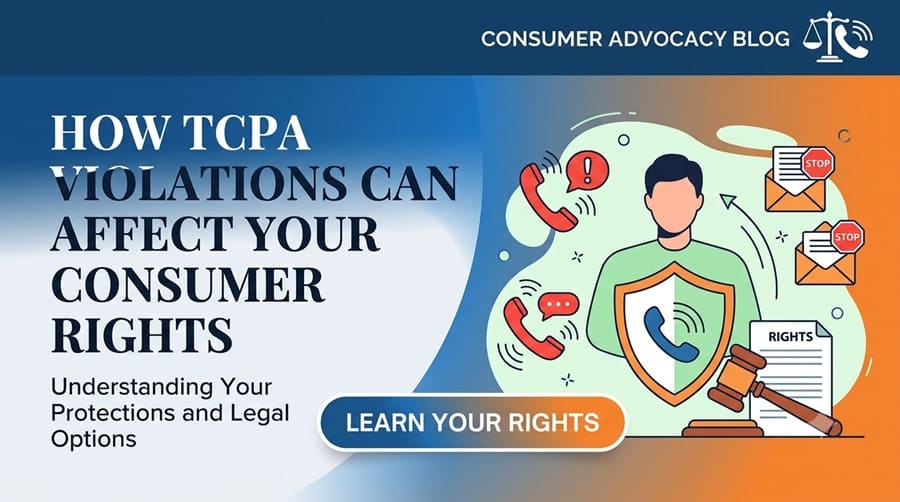
TCPA violations can involve certain unwanted calls or text messages that are made using automated technology or prerecorded content without the required consent, depending on the circumstances.
The TCPA establishes restrictions concerning certain automated calls and texts. Whether a particular message constitutes a violation can depend on factors such as:
- Whether the recipient provided consent
- Whether consent was revoked
- The type of message
- The technology used to send the message
- The purpose of the communication
- Whether an applicable exemption applies
- The identity and conduct of the sender
Not every unwanted text automatically constitutes a TCPA violation, so the specific facts matter.
What Is the Penalty for a TCPA Violation?
Where a violation is established, the TCPA provides for statutory damages of $500 to $1,500 per illegal call or text message, with the higher amount available for violations a court finds were made willfully or knowingly. Businesses must follow federal guidelines outlined and enforced by the Federal Communications Commission (FCC) before contacting consumers using automated technology.
The rules in this area continue to shift. The FCC’s stricter “one-to-one consent” requirement for lead generators was vacated by the Eleventh Circuit in January 2025 and never took effect, while a separate rule expanding how consumers can revoke consent has been repeatedly delayed and is not scheduled to take effect until January 2027. Because the regulatory landscape keeps changing, it is worth confirming the current rules with an attorney rather than relying on outdated summaries.
Examples of Potential TCPA Issues
Potential TCPA violations may involve repeated marketing texts sent without appropriate consent, automated messages sent after a consumer has revoked consent, or certain communications made using automated systems.
Examples may include:
- Repeated promotional text messages
- Automated marketing messages
- Messages sent after an opt-out request
- Certain prerecorded communications
- Unwanted automated communications
- Texts from businesses without the required authorization
- Telemarketing calls placed after your number has been on the National Do Not Call Registry for more than 31 days
The legal analysis can vary depending on the communication and applicable rules.
What Should You Do If You Receive Unwanted Texts?
If you receive a suspicious or unwanted text message, consider taking these steps:
- Save the original message.
- Take screenshots showing the sender and timestamp.
- Avoid clicking suspicious links.
- Do not provide passwords, financial information, or verification codes.
- Use your phone’s spam-reporting feature when appropriate.
- Block the sender if necessary.
- Keep records of repeated messages.
- Consider reporting the communication to the appropriate agency.
- Seek legal advice if you believe your rights may have been violated.
Keep Evidence of Repeated Messages
Evidence can be particularly important when investigating potential TCPA violations. If the same sender continues sending messages, maintain a chronological record showing when each message was received.
Keep screenshots, message histories, opt-out requests, and other relevant communications. If you previously gave a company permission to contact you, records concerning that consent may also be important.
What If You Already Asked the Sender to Stop?
If you have asked a sender to stop contacting you and messages continue, preserve evidence of both the original messages and your opt-out request.
The circumstances surrounding consent and revocation can be important when evaluating potential TCPA violations. An attorney can review the communications and explain whether the facts may support a legal claim.
Can a TCPA Lawyer Help?
If you believe unwanted messages may involve TCPA violations, a TCPA attorney can review the circumstances and available evidence.
An attorney may evaluate:
- The content of the messages
- The frequency of communications
- Whether messages were automated
- Whether you provided consent
- Whether you revoked consent
- The identity of the sender
- Available call or message records
- Applicable federal and state requirements
Legal remedies depend on the specific facts and applicable law.
TCPA and Debt Collection Overlap (FDCPA)
Many TCPA issues do not originate from retail telemarketers but from debt collectors who use autodialers to repeatedly pursue individuals. If you are receiving back-to-back automated calls about a debt, these actions frequently cross the line. Consumers have separate rights against abusive debt collection under the Fair Debt Collection Practices Act (FDCPA), and an attorney can often pursue claims under both laws simultaneously to maximize recovery.
How Long Do You Have to File a TCPA Claim?
The TCPA does not set its own deadline, so courts apply the federal catch-all statute of limitations, 28 U.S.C. § 1658(a), which gives consumers four years from the date of the illegal call or text to file suit. Waiting too long can mean losing the ability to recover damages, so it is best to preserve your evidence and speak with an attorney as soon as possible.
How to Protect Yourself From Spam Texts
Learning how to report a spam text is only one part of protecting yourself. You can also reduce unwanted communications by:
- Avoiding suspicious links
- Limiting where you provide your phone number
- Using carrier-level spam protection
- Blocking repeat senders
- Keeping your phone’s security features updated
- Reviewing privacy settings
- Never sharing verification codes with unknown callers or senders
Frequently Asked Questions
How do I report a spam text?
Save the message, document the sender and date, use your carrier’s spam-reporting feature, and consider submitting a complaint to the appropriate government agency.
Does every spam text violate the TCPA?
No. Whether a message involves TCPA violations depends on factors such as consent, the type of message, the technology used, and applicable exceptions.
Should I delete spam texts?
It is generally better to preserve suspicious messages if you believe they may become relevant to a complaint or legal claim.
What if spam texts continue after I opt out?
Keep records of the messages and your opt-out request. If the communications continue, consider seeking legal advice to determine whether applicable consumer-protection laws may provide a remedy.
Final Thoughts
Unwanted text messages should not simply be ignored when they become persistent, deceptive, or potentially unlawful. Knowing how to report a spam text, preserving evidence, and using available reporting tools can help consumers respond effectively.
If you suspect TCPA violations, maintaining detailed records of the messages, consent history, and opt-out requests can help an attorney evaluate the circumstances and explain what legal options may be available.
Sources & Authorities