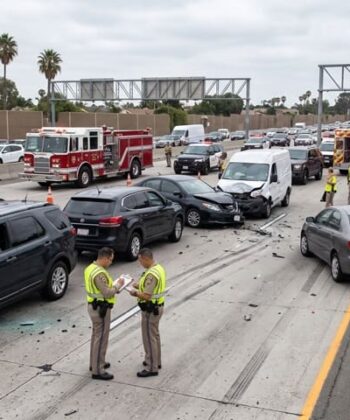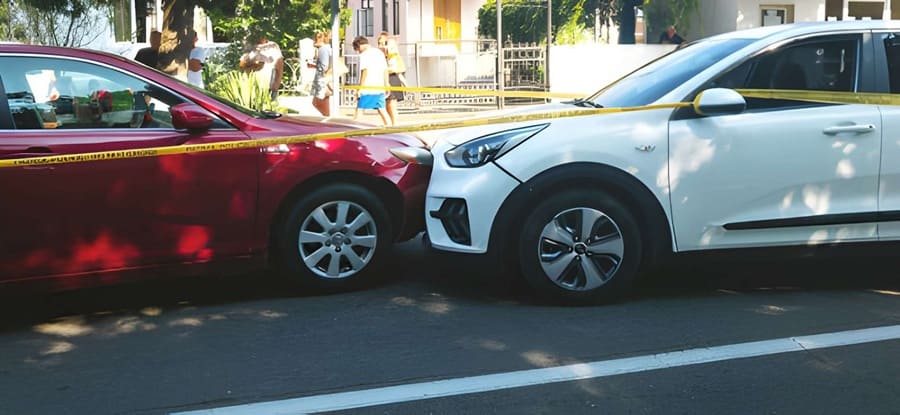
A damaged vehicle may show where two cars met, but it rarely tells the full story of why the crash happened. One driver may blame the other, a witness may recall only part of the event, and road conditions may add another layer of doubt. Even detailed records cannot always provide an instant answer. A review of 15 years of motor vehicle collision statistics can show wider road safety patterns, such as which states see the most passenger deaths, but deciding who caused a particular crash requires a closer look at the facts.
Several challenges can make that process more difficult than it first appears, and in the upper Midwest, the answer to “who was at fault” can decide whether an injured person recovers anything at all.
Conflicting Statements From Drivers and Witnesses
Drivers involved in a collision may describe the same event in very different ways. One may say the other vehicle changed lanes without warning, while the second driver may claim there was enough space to move safely. Neither account should be treated as the complete story without checking other evidence.
Witness statements can also create confusion. A person standing nearby may have seen the impact but missed what happened just before it. Poor lighting, traffic and blocked views can affect what someone notices. Investigators compare these accounts with physical evidence before forming a clearer picture. Sometimes the most important fact surfaces much later, under oath.
When a Deposition Settled the Question of the Green Light
One case among the firm’s published client stories shows how a “he said, she said” crash can turn. A woman driving with two passengers was hit at an intersection. She believed she had the green light, but the other driver’s insurer refused to pay, and because she had no auto insurance of her own, she had no coverage to fall back on. Nicolet Law filed suit. During his deposition, the other driver admitted he had been texting at the time of the crash. The case settled quickly after that, covering her medical bills, car repairs and pain and suffering.
Not every case has a moment like that, and every claim depends on its own evidence. Past results do not guarantee a similar outcome.
Limited or Unclear Physical Evidence
The road itself often holds useful clues, but those clues do not always remain easy to read. Skid marks, broken glass, vehicle damage and the location of debris may help show how a collision took place. However, rain can wash away marks, while passing vehicles and emergency crews may disturb the scene.
Vehicle damage can also be misleading. A badly damaged car is not automatically the one whose driver caused the crash. The point of impact, direction of travel and damage to each vehicle need to be reviewed together. Without enough clear evidence, some details may remain uncertain.
Accidents Involving Multiple Drivers
A collision involving two vehicles may already raise difficult questions, but adding more drivers makes the process harder. A chain reaction is a good example. One driver may stop suddenly, the vehicle behind may fail to brake in time, and another car may then strike one of them.
The first impact does not always explain every later collision. Investigators may need to work out which actions started the sequence and whether other drivers had enough time and space to respond. More than one person may have contributed to the final crash, so fault may be shared rather than placed on a single driver.
The Role of Road and Weather Conditions
Not every collision happens on a clear road with good visibility. Rain, fog, snow, poor lighting, loose gravel and damaged pavement can all affect how a vehicle moves. Road construction and missing signs may also create problems for drivers who are trying to follow traffic safely. In Wisconsin, Minnesota and North Dakota, black ice and whiteout conditions are part of every winter.
These conditions make fault harder to assess because investigators must consider what each driver could reasonably see and do. A wet or icy road may increase stopping distance, but drivers are still expected to adjust their speed to the conditions. “The roads were slick” rarely excuses a rear-end collision. Road design or maintenance may also need review if it played a part, though claims against a government agency often carry shorter notice deadlines.
Traffic Laws and Shared Responsibility
Traffic laws provide a starting point for reviewing driver actions. Investigators may look at signs of speeding, distracted driving, unsafe turns, failure to yield or running a red light. A violation can help explain how a collision happened, although the full facts still matter.
Responsibility may also be divided between drivers. One person may have been speeding while another made an unsafe turn. States use different rules to decide how shared fault affects an injury claim, and the three states where many of Nicolet Law’s clients live draw the line in slightly different places:
- Wisconsin: An injured person can recover if their share of fault is not greater than the other party’s, with damages reduced by their percentage (Wis. Stat. § 895.045).
- Minnesota: The same “not greater than” rule applies under Minn. Stat. § 604.01.
- North Dakota: Recovery is allowed only if the injured person’s fault is less than the other party’s, so a 50-50 split bars recovery (N.D.C.C. § 32-03.2-02).
Under these rules, a shift of a few percentage points in how fault is assigned can change the outcome entirely. That is one reason insurers tend to argue over fault even when the other driver clearly made a mistake. Minnesota and North Dakota are also no-fault states, so an injured person’s own insurance usually pays initial medical bills and some lost income regardless of who caused the crash, while a claim against the other driver depends on meeting a damages threshold. Wisconsin uses a traditional fault-based system.
How Investigators Build a Clearer Picture
A reliable review often brings several types of evidence together instead of relying on one report or statement. Depending on the collision, investigators may examine:
- police reports and photographs of the scene
- statements from drivers and people who witnessed the crash
- traffic camera footage and nearby security recordings, which may be overwritten within days
- vehicle damage, road marks and debris patterns
- event data recorder information, if available
- phone records, where distraction may be involved
An event data recorder may capture details such as speed, braking and throttle use shortly before a crash. On most current vehicles, federal rules require only about five seconds of pre-crash data. NHTSA has adopted a rule extending that to 20 seconds, but a May 2026 final rule delayed it, with a phase-in starting September 1, 2028. These records have limits and should be reviewed with other evidence, and the data can be lost if a totaled vehicle is sold at salvage before anyone downloads it.
Medical records can help document the injuries involved, but they do not automatically show who caused the collision. Each source answers different questions, and investigators must consider how the details fit together. National crash databases also record broad patterns and contributing factors, not a final fault decision for every individual collision. For steps to protect your own claim in the first days, this guide on what to do after a car accident that’s not your fault is a practical starting point.
Why Fault Requires a Careful Review
Determining fault after a motor vehicle collision takes more than comparing vehicle damage or accepting the first account. Conflicting statements, missing evidence, road conditions and several drivers can all make the facts harder to establish. Statewide crash data offers useful background on road safety, but individual crashes need their own review. Looking at all available evidence together gives a clearer account of what happened and helps avoid quick conclusions based on incomplete information.
Disclaimer
This article provides general information and is not legal advice. Reading it does not create an attorney-client relationship. Fault rules, insurance requirements and deadlines differ by state and change over time, and the outcome of any claim depends on its specific facts. For advice about your situation, consult a lawyer licensed in your state.