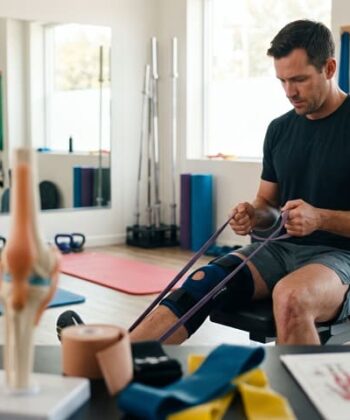

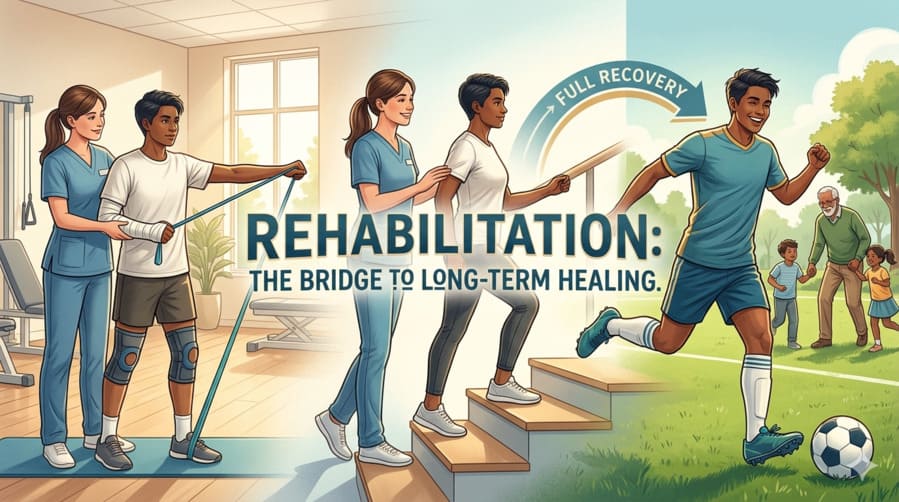
The moments after an accident are a complete blur of hospital stays, doctor visits, and gathering documentation for your personal injury lawyer. You might think that once your case is organized, the cast comes off, and the stitches are removed, the story is over. However, healing is not like fixing a broken toy where you just glue the pieces back together and put it on a shelf. If you want to get back to your favorite activities or just want to walk without pain, rehabilitation is the bridge that gets you there.
The Science of Moving Again
After an injury, your muscles tend to weaken because they have not been used. This is referred to as atrophy. If you do not challenge those muscles through physical therapy, they may never regain their former strength. Rehabilitation specialists use specific exercises to retrain your brain and body to work together.
For example, imagine a soccer player who tears a ligament in her knee. Even after surgery, her brain might be afraid to put weight on that leg. A therapist helps her perform balance drills that teach her nerves to trust her muscles again. Without this step, she might limp for the rest of her life, even though the bone itself has healed perfectly.
Preventing Future Problems
Avoiding secondary injury is a chief reason for sticking with rehabilitation. Secondary injury occurs when other parts of your body try to compensate for the one that is weak or injured. If you injure your left hip and refuse to complete a rehabilitation program, your right hip and lower back can suffer as they compensate for the strain. Eventually, you will contend with lower back pain that results from your old hip injury.
Physical therapists focus on whole-body alignment so that you do not trade one type of pain for another. When you are sitting down with your lawyer to determine how much compensation you should receive for your injuries, they will tell you to factor in the long-term costs of recovery, which include an extensive therapy program, special equipment, and the necessary time for healing.
The Mental Side of Healing
Few people consider the toll that an accident takes on the mind. You may experience feelings of sadness when you are sidelined while others are moving about and enjoying life. Rehabilitation can help with your self-esteem. When you hit a new goal, such as lifting a heavier weight or walking a farther distance, you experience a major confidence boost.
Consider a grandfather who has been injured in a car crash. He might feel like he can no longer play with his grandkids. However, as he attends his sessions and sees his flexibility return, his mood improves. This emotional lift is just as important as the physical repairs.
Why You Should Stick With It
You may feel tempted to quit your rehabilitation regimen as soon as you start feeling better. This is a costly mistake. You still have work to do to fully recover, and you can backslide if you quit prematurely. Your therapist will also craft a comprehensive plan that supports full-body recovery, including:
- Scar Tissue Management: Therapists use massage and stretching to keep scar tissue from becoming stiff.
- Balance and Coordination: Rehab helps you avoid falls, which is especially important as you get older.
- Customized Care: Every person heals differently, so a professional will change your plan as you get stronger.
If you are worried about how to afford these sessions after an accident that was not your fault, a personal injury lawyer from Barrera Law Group LLC can help you seek the funds needed for this medical care. They see every day how people struggle when they skip therapy or quit too soon, and they want to make sure you have every tool available to achieve full recovery.
Healing is a marathon. If you put in the work now, you will be grateful once you have your life back.