
By Brian H. Pollock, Founder, FairLaw Firm
Updated September 2026 · 5 min read
Most employment problems don’t announce themselves as legal problems right away — a confusing contract clause, a performance review that doesn’t add up, a paycheck that’s short. The line between “annoying” and “actionable” usually comes down to specific facts and specific statutes, not gut feeling. Here are five situations where that line tends to get crossed.
Before You Sign Anything
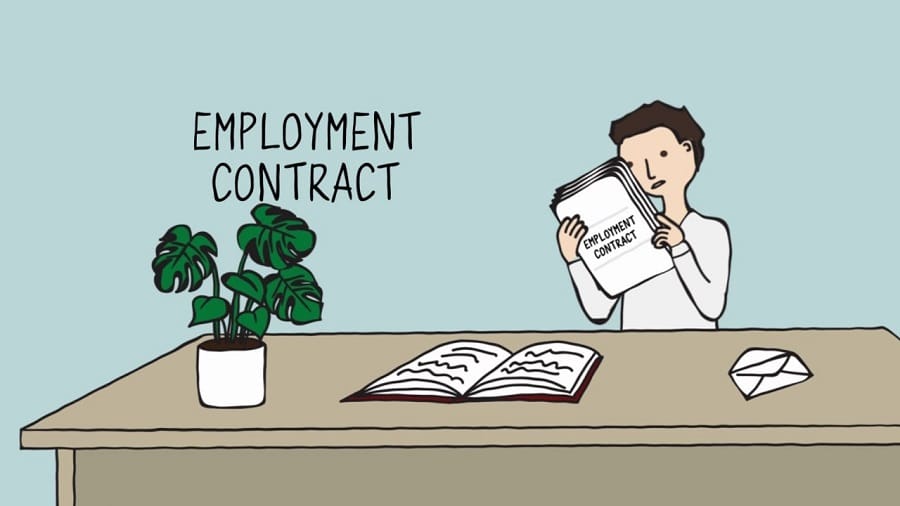
Non-disclosure agreements, non-competes, and employment contracts are written to protect the employer that drafted them, not the person signing. Terms limiting where you can work afterward, what you can disclose, or how disputes get resolved are often negotiable before signature and effectively locked in after. Having someone review the language before you sign — not after a dispute starts — is when a lawyer’s input is worth the most.
When You’re Being Treated Differently — and Can Show It
A pattern of unequal treatment — being held to standards colleagues aren’t, written up for things others aren’t, excluded from opportunities others get — becomes a legal issue once there’s evidence connecting it to a protected reason or to retaliation for raising a concern. Florida’s Private Whistleblower Act, Fla. Stat. § 448.102, specifically bars an employer from retaliating against an employee who reports, or refuses to participate in, an illegal practice — provided the employee gave the employer written notice and a reasonable chance to fix it first. Documentation matters here more than almost anywhere else: dates, specific incidents, and anything in writing.
Termination That May Not Be Lawful
Florida is an at-will employment state, which means an employer generally doesn’t need a reason to end employment — that’s the default rule in nearly every U.S. state, not something unique to Florida. What at-will doesn’t cover is termination for an unlawful reason: retaliation or discrimination based on a protected characteristic. If a termination followed closely on the heels of a complaint, a protected leave, or looks inconsistent with how similar situations were handled for other employees, that timing and inconsistency is exactly what an employment lawyer evaluates first.
Discrimination and Harassment
Under Fla. Stat. § 760.10, Florida’s Civil Rights Act, it’s unlawful for an employer to discriminate in hiring, firing, pay, or the terms of employment based on race, color, religion, sex, pregnancy, national origin, age, disability, or marital status — and it’s separately unlawful to retaliate against someone for opposing discrimination or participating in an investigation. A hostile work environment claim, including sexual harassment, generally requires showing the conduct was severe or pervasive enough to alter the conditions of employment — an employment lawyer can help evaluate whether specific incidents meet that bar and what documentation strengthens a claim with human resources or the EEOC.
Unpaid Overtime and Wage Disputes
Federal law is specific here: under 29 U.S.C. § 207, most non-exempt employees are entitled to overtime pay at one and a half times their regular rate for any hours worked beyond 40 in a workweek. Florida adds its own minimum wage floor on top of the federal one, adjusted annually for inflation, under the Florida Minimum Wage Act, Fla. Stat. § 448.110. An employer withholding earned wages, misclassifying a role to avoid overtime, or paying under Florida’s minimum wage is exposed to a wage claim regardless of how the job was titled.
A Look at How These Cases Play Out
An employee once assumed a job classified as “management” simply didn’t qualify for overtime, no matter how many hours the role actually required each week. The job title turned out to be the least important fact in the analysis.
What mattered was the actual work performed — the FLSA’s overtime exemptions turn on real job duties, not the label on a paycheck or offer letter. Once the day-to-day responsibilities were reviewed against the exemption criteria, the role didn’t meet the bar for exempt status, and months of unpaid overtime became recoverable. The title on the org chart had never been the right question to ask.
Details here have been generalized and don’t describe a specific, identifiable case; they reflect a pattern that comes up often in wage claims. Every case depends on its own facts.
Talking to an Employment Lawyer in Florida
Most of these situations share something in common: the difference between having a complaint and having a claim usually comes down to specific facts measured against a specific statute, not a general sense that something felt unfair. If any of the above sounds familiar, an employment lawyer who represents Florida employees can help sort out which side of that line a given situation falls on before more time passes.
Brian H. Pollock, Founder
Brian H. Pollock is the founder of FairLaw Firm in Coral Gables, Florida, where he represents employees and employers in wage and hour, discrimination, and wrongful termination matters. A Florida native, he earned his J.D. from Nova Southeastern University in 1999 and has been a member of The Florida Bar ever since. He is also admitted to practice in the Southern and Middle Districts of Florida, the Eleventh Circuit Court of Appeals, and the United States Supreme Court.
Authorities & Sources
- Fla. Stat. § 760.10 — Florida Civil Rights Act, unlawful employment practices.
- Fla. Stat. § 448.102 — Florida Private Whistleblower Act, prohibitions on retaliatory personnel action.
- Fla. Stat. § 448.110 — Florida Minimum Wage Act.
- 29 U.S.C. § 207 — Fair Labor Standards Act, overtime compensation requirements.
Legal information can change, and the law applicable to a particular employment situation depends on the specific facts, employer size, and other circumstances. This article is for general informational purposes and is not a substitute for legal advice about a specific case.